In the world of modern architecture and interior design, innovation is key. One of the most exciting and sustainable advancements in construction materials is the introduction of flexible stone panels. These panels combine the timeless beauty of natural stone with innovative flexibility and versatility, offering new possibilities for architects, designers, and homeowners alike.
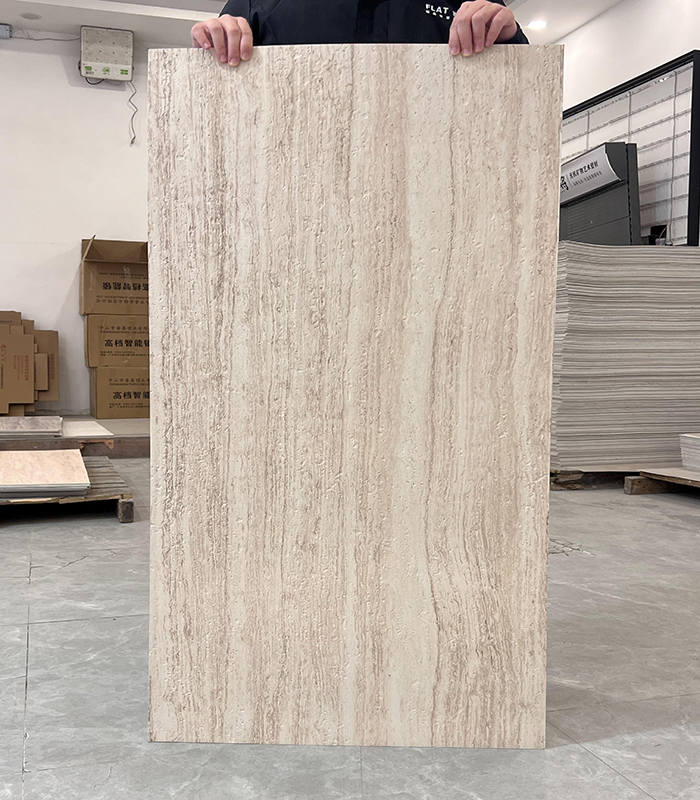
What Are Flexible Stone Panels?
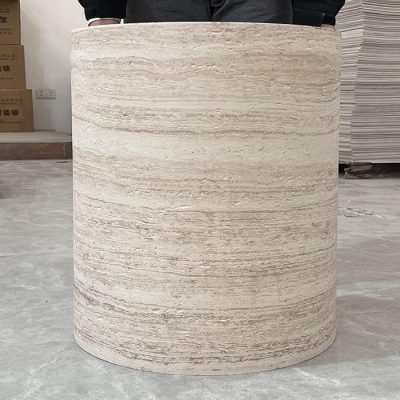
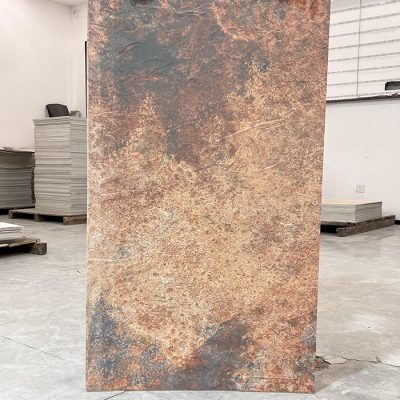
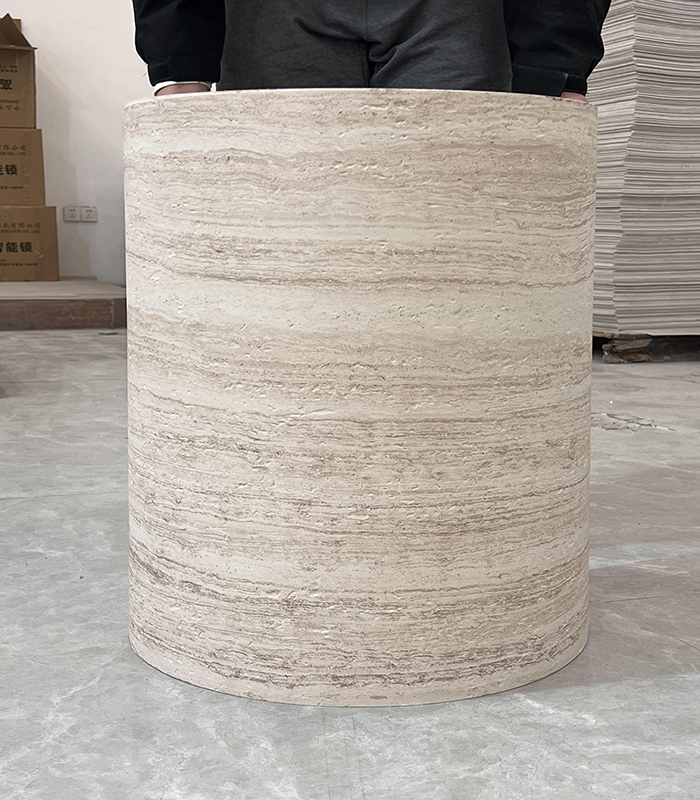
Flexible stone panels are ultra-thin layers of natural stone bonded to a flexible backing material. Unlike traditional stone, which is heavy and rigid, flexible stone panels are lightweight, durable, and can be easily shaped to fit a variety of surfaces. They maintain the natural look and texture of stone, whether it’s marble, granite, travertine, or slate, but with the added advantage of flexibility.
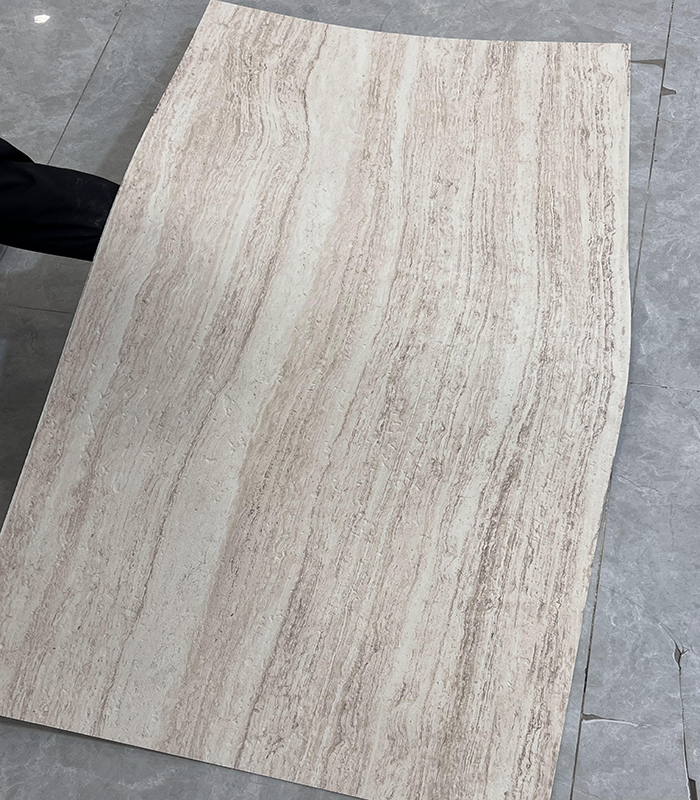
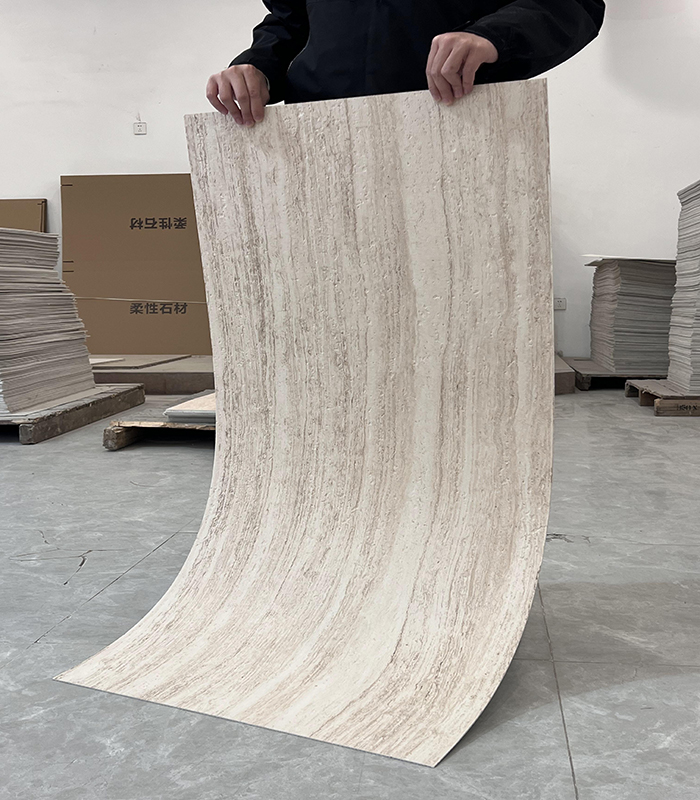
These panels are typically made by bonding a thin slice of natural stone to a high-strength fiberglass or other composite material. This composite structure allows the panels to bend and conform to curved surfaces without losing the aesthetic appeal of the stone.
Advantages of Flexible Stone Panels
- Lightweight and Easy to Handle
One of the primary benefits of flexible stone panels is their lightweight nature. Traditional stone can be heavy and difficult to transport and install. Flexible stone panels are a fraction of the weight, making them easier to handle, ship, and install, while still providing the luxurious look of real stone. - Durable and Long-Lasting
Despite their thin profile, flexible stone panels retain the durability and strength of natural stone. They are resistant to cracking, scratching, and other forms of damage, making them perfect for both indoor and outdoor applications. These panels are also resistant to harsh weather conditions, including UV rays, moisture, and extreme temperatures. - Eco-Friendly
In an age of sustainability, flexible stone panels are a green solution for the construction industry. The production process is less resource-intensive compared to traditional stone cutting and quarrying. Additionally, the reduced weight and versatility of the panels mean less transportation fuel and lower carbon footprints. Using stone in this way helps to conserve natural resources while promoting sustainable building practices. - Versatile Design Options
Flexible stone panels open up a world of design possibilities. Because they can bend and contour to almost any surface, they can be applied to walls, ceilings, floors, and even curved architectural features like columns and arches. Whether you’re designing a sleek modern office, a rustic home, or a bold hotel lobby, flexible stone panels can be used to create stunning visual effects and sophisticated designs. - Easy Installation
Installing flexible stone panels is far quicker and simpler compared to traditional stone slabs. The panels can be cut, shaped, and applied without the need for specialized equipment or heavy lifting. This reduces labor costs and installation time, making flexible stone panels a cost-effective option for both residential and commercial projects. - Low Maintenance
Flexible stone panels require minimal upkeep. Unlike other materials, they do not need frequent sealing or polishing. A simple cleaning routine with a soft cloth and mild cleaner is usually sufficient to maintain their appearance. This makes them an ideal choice for high-traffic areas and spaces that demand ease of maintenance.
Applications of Flexible Stone Panels
- Interior Design
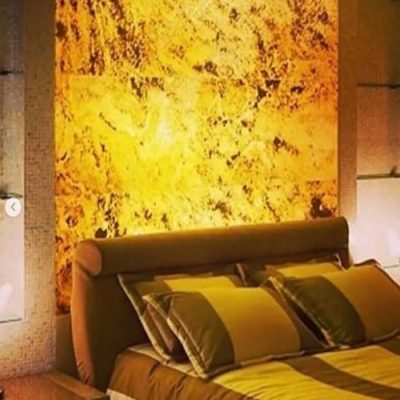
Flexible stone panels are perfect for creating striking interior features, including accent walls, fireplaces, and backsplashes. Their ability to conform to curves allows them to be applied in places where traditional stone would be difficult or impossible to install. They bring the natural beauty of stone to kitchens, bathrooms, and living rooms in a way that was previously unimaginable. - Exterior Facades
Flexible stone panels are increasingly being used for exterior facades of buildings. The flexibility allows architects to create intricate, curved designs, giving buildings a unique and modern appearance. Whether for residential or commercial buildings, flexible stone panels add texture and elegance to facades without the weight and complexity of traditional stone materials. - Furniture and Fixtures
The versatility of flexible stone panels extends to furniture and fixtures. For example, they can be used for table tops, countertops, and wall-mounted storage units. With their natural stone appearance, these panels lend a luxurious, high-end look to everyday objects. - Retail Spaces
Retail designers love flexible stone panels for their ability to transform store interiors into stunning visual displays. Whether it’s a dramatic feature wall or a subtle backdrop for product displays, flexible stone panels provide a sophisticated and elegant environment that enhances the shopping experience.
Conclusion: The Future of Flexible Stone Panels
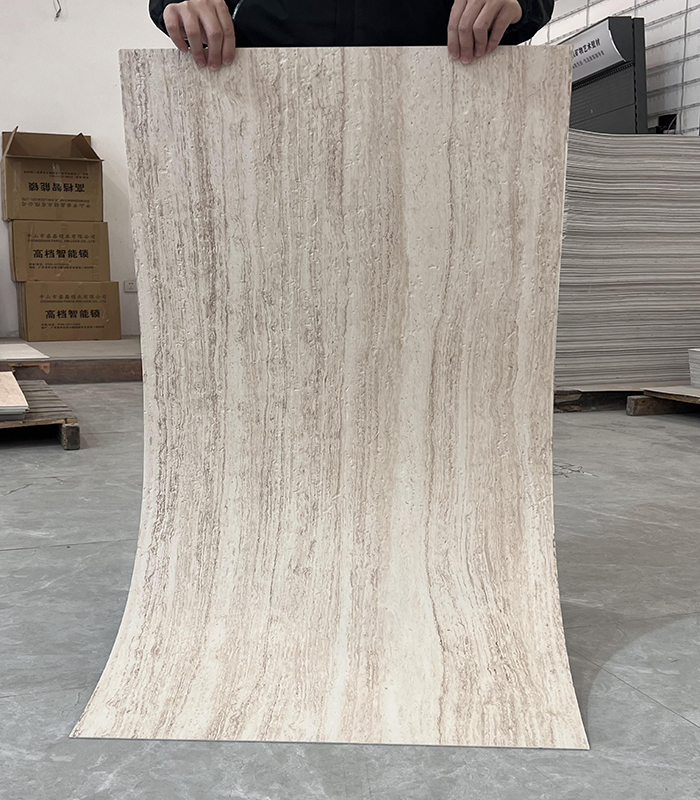
Flexible stone panels are revolutionizing the construction and design industries. With their combination of beauty, durability, sustainability, and ease of use, they offer endless possibilities for creating stylish and functional spaces. As technology and innovation continue to evolve, flexible stone panels are poised to become a key material in the future of architecture, helping to shape the world’s most beautiful and sustainable buildings.
Whether you’re designing a home, office, or commercial space, consider integrating flexible stone panels into your project to enjoy the best of both worlds: the luxury of natural stone with the flexibility and efficiency of modern materials.