As the world of architecture and interior design continues to evolve, new materials and technologies are emerging to meet the demands for aesthetics, sustainability, and functionality. Among the latest innovations is flexible stone veneer panels, a cutting-edge product that combines the timeless elegance of stone with remarkable flexibility and versatility. This material is reshaping how designers, architects, and builders approach the use of natural stone in construction and design projects.
What Are Flexible Stone Veneer Panels?
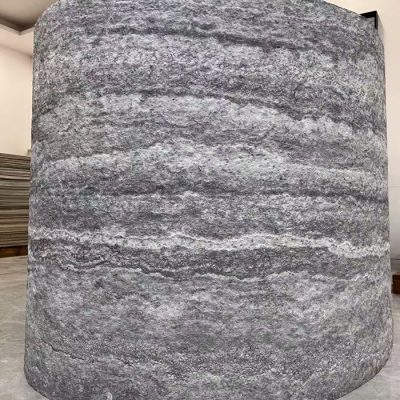
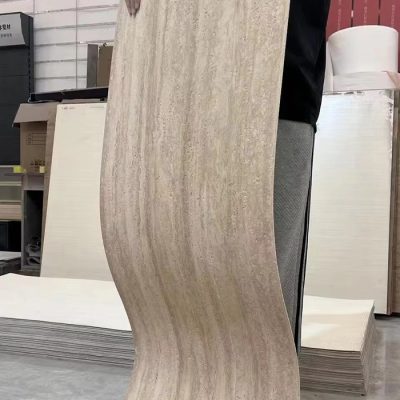
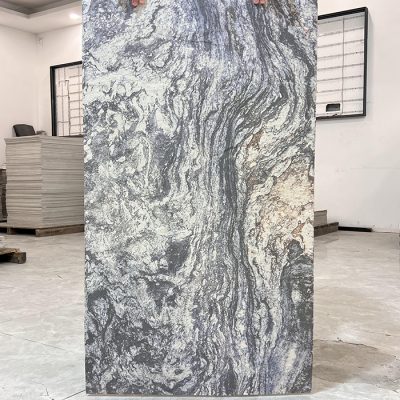
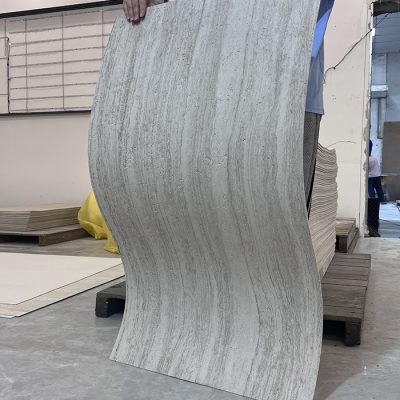
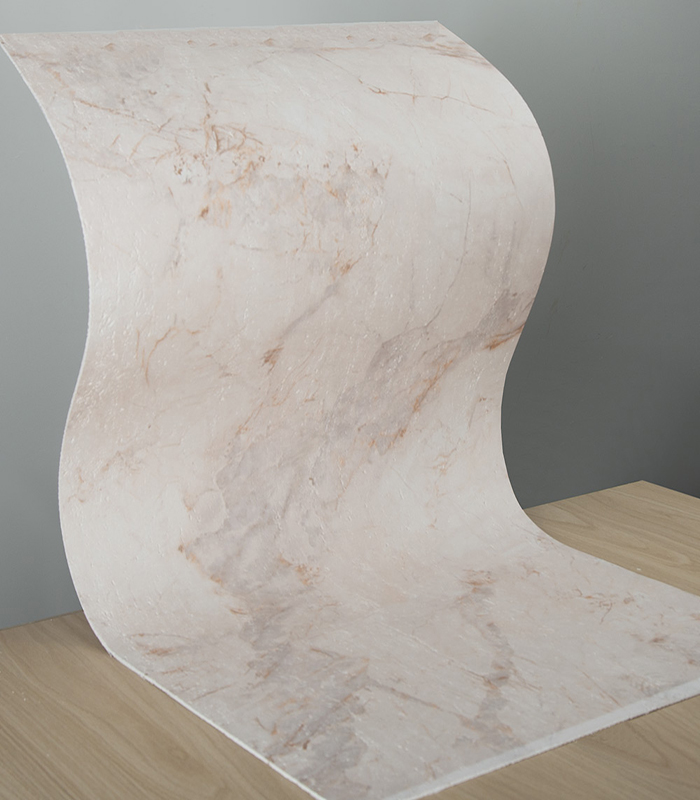
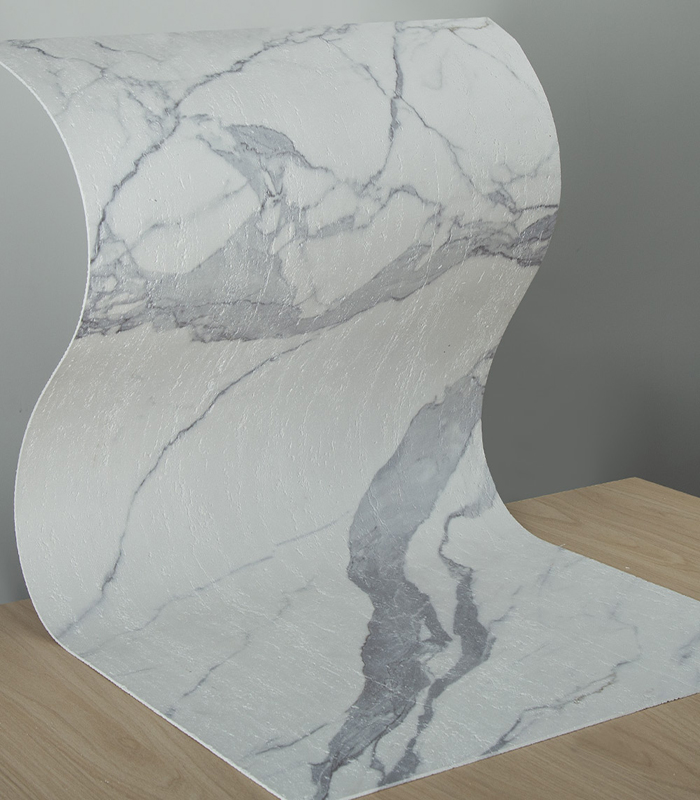
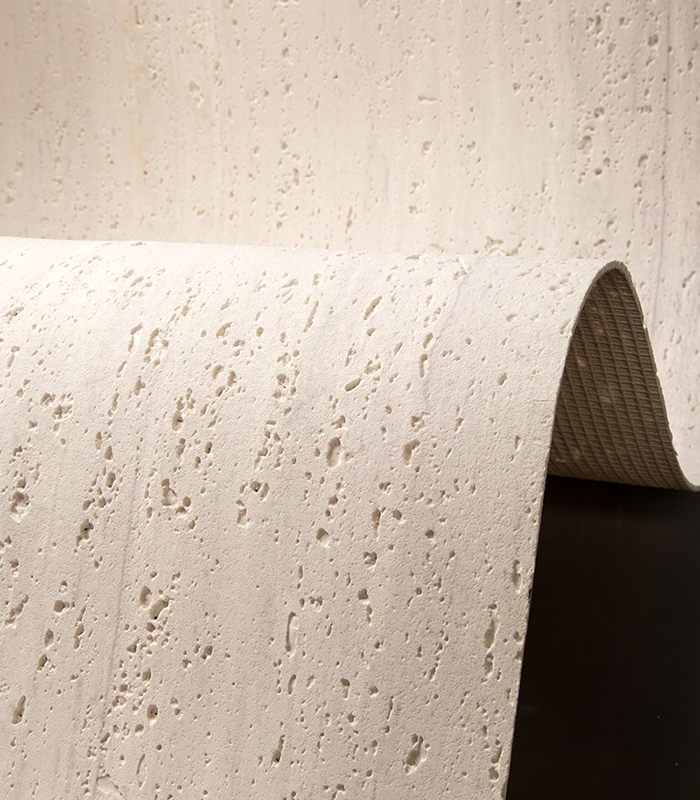
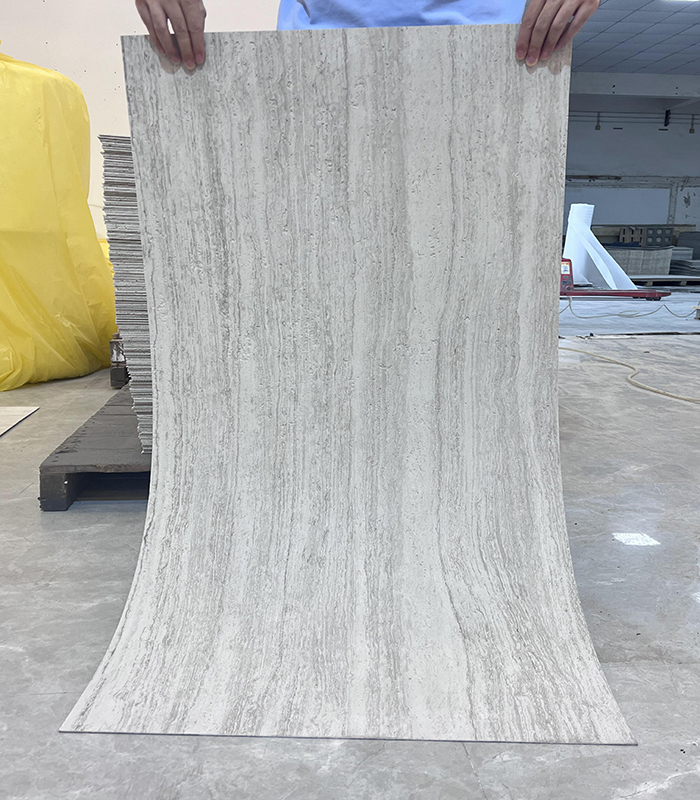
Flexible stone veneer panels are thin slices of natural stone bonded to a flexible, lightweight backing material. Unlike traditional stone, which is heavy, rigid, and difficult to manipulate, flexible stone veneer offers the beauty and texture of real stone while being lightweight, easy to handle, and highly adaptable. The veneer is typically made from a variety of natural stones such as granite, marble, travertine, slate, and onyx, offering a range of finishes and styles to suit any design.
The thin layers of stone are cut to precise thicknesses and then adhered to a flexible composite backing, allowing them to bend and conform to curved and irregular surfaces. This innovative process enables the use of stone in applications that would have been impossible or impractical with traditional stone slabs, providing an attractive and cost-effective alternative for designers and builders.
Key Benefits of Flexible Stone Veneer Panels
- Lightweight and Easy to Handle
One of the most significant advantages of flexible stone veneer panels is their lightweight nature. Traditional stone slabs are often heavy and cumbersome, making transportation and installation difficult and expensive. Flexible stone veneer panels, on the other hand, are much lighter and easier to work with. This makes them ideal for projects where weight is a concern, such as high-rise buildings, renovations, and custom furniture. - Durability and Strength
Despite being thin and flexible, flexible stone veneer panels are extremely durable. They retain the natural strength and resilience of stone, making them resistant to cracking, scratching, and wear over time. Whether used indoors or outdoors, these panels maintain their appearance and function for years, offering long-lasting value to any project. - Sustainability
Flexible stone veneer panels are an eco-friendly alternative to traditional stone materials. The production process uses fewer resources and less energy, making it a more sustainable choice. Additionally, because flexible stone veneer is made from natural stone, it doesn’t require the same level of maintenance or replacement as other materials, reducing waste over time. - Versatile Applications
The flexibility of these panels opens up a wide range of applications. Flexible stone veneer can be used in both interior and exterior design, creating stunning feature walls, facades, and flooring in residential, commercial, and industrial settings. Its ability to bend and conform to curved surfaces allows for intricate, customized designs that would be impossible with rigid stone. - Ease of Installation
Flexible stone veneer panels are easier to install than traditional stone. They can be cut and shaped using standard tools, and they require less labor to install. This reduces both installation time and labor costs. Additionally, these panels can be adhered to surfaces using simple adhesives, making the installation process quick and hassle-free. - Low Maintenance
Flexible stone veneer panels are incredibly low maintenance. Unlike traditional stone, which often requires sealing and regular upkeep, flexible stone veneer only needs occasional cleaning with mild soap and water. This makes it an excellent option for high-traffic areas and surfaces that require minimal attention.
Applications of Flexible Stone Veneer Panels
- Interior Design
Flexible stone veneer panels are widely used in interior design to create stunning accent walls, feature walls, backsplashes, and flooring. Whether it’s a sleek, modern living room with marble veneer or a rustic kitchen with travertine, these panels can bring natural elegance to any room. They can also be used to cover curved or irregular surfaces, offering new possibilities for interior design. - Exterior Cladding
The versatility of flexible stone veneer panels makes them perfect for exterior applications. From facades to outdoor feature walls, these panels add a timeless, natural aesthetic to the exterior of a building. Their lightweight nature also reduces the overall load on the structure, making them ideal for use in high-rise buildings, modern homes, and commercial properties. - Furniture and Custom Fixtures
Flexible stone veneer can be applied to furniture and fixtures, such as countertops, tabletops, vanities, and custom cabinetry. This brings the beauty of stone to a wide range of furniture pieces while reducing the weight and cost compared to traditional stone materials. It also allows for custom designs and shapes that would otherwise be impossible with rigid stone. - Retail and Commercial Spaces
In commercial settings, flexible stone veneer is a popular choice for retail stores, hotels, restaurants, and office buildings. Its ability to create elegant, natural-looking designs without the cost and weight of traditional stone makes it a go-to material for creating high-end, modern interiors. Whether used in reception areas, lobbies, or display walls, flexible stone veneer helps create a lasting impression on customers and clients.
Types of Flexible Stone Veneer Panels
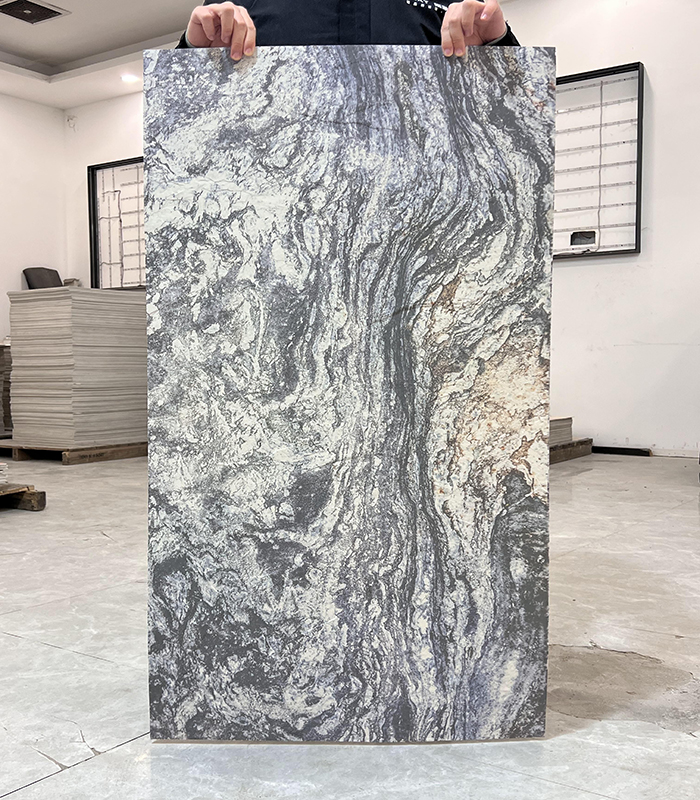
Flexible stone veneer panels come in various stone types and finishes, offering a wide range of design options. Some popular options include:
- Marble: Known for its luxurious appearance and timeless beauty, marble is ideal for high-end residential and commercial applications.
- Granite: Durable and stunning, granite is often used in both interior and exterior design for its strength and visual impact.
- Travertine: With its warm, earthy tones, travertine is a popular choice for Mediterranean and rustic designs.
- Slate: Slate’s rich texture and sophisticated appearance make it ideal for creating modern, industrial-style interiors.
- Onyx: Onyx’s translucent properties create a dramatic and unique effect, often used for backlit feature walls or custom pieces.
Conclusion
Flexible stone veneer panels offer a modern, sustainable, and versatile solution for incorporating the beauty of natural stone into any design. Whether you’re working on a residential, commercial, or custom project, these panels provide a cost-effective and efficient way to bring the elegance of stone to life. With their lightweight construction, ease of installation, and wide range of applications, flexible stone veneer panels are poised to become a go-to material for architects, designers, and builders alike.
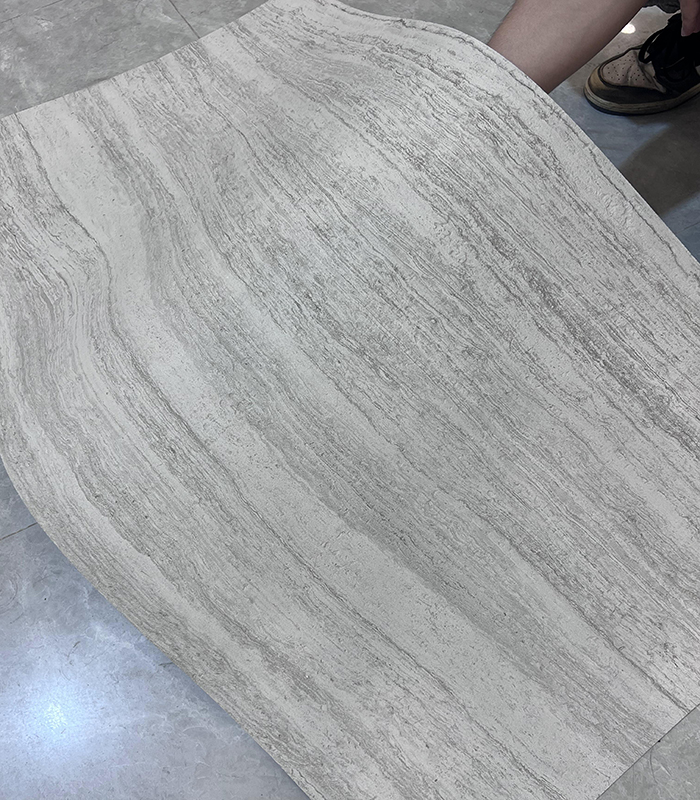
By choosing flexible stone veneer, you can create stunning designs that combine the timeless beauty of stone with the practicality of modern materials. Whether you’re designing a feature wall, exterior cladding, or custom furniture, flexible stone veneer offers endless possibilities for enhancing your space.