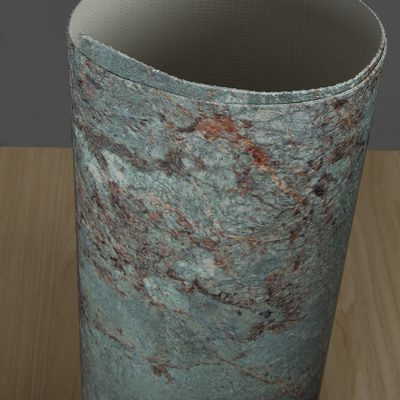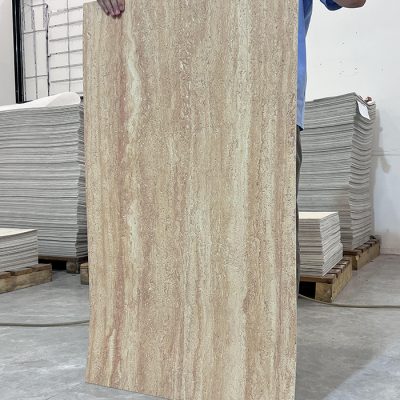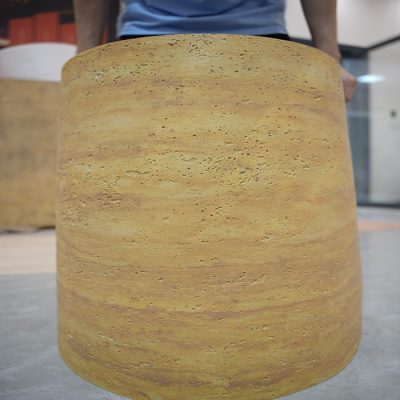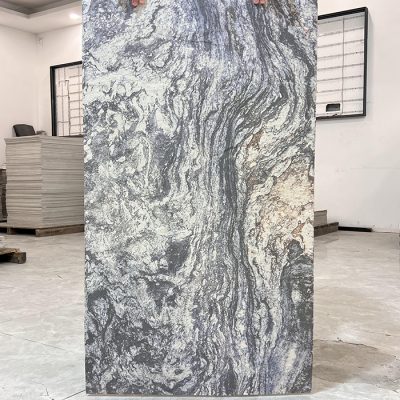
In the world of modern construction and interior design, flexible stone veneer sheets have emerged as a game-changing material that blends the elegance of natural stone with modern design needs. Offering all the beauty of traditional stone without the usual weight and rigidity, flexible stone veneer sheets are becoming increasingly popular for a variety of applications. This innovative material enables architects and designers to create stunning, sustainable, and cost-effective projects.
What Are Flexible Stone Veneer Sheets?
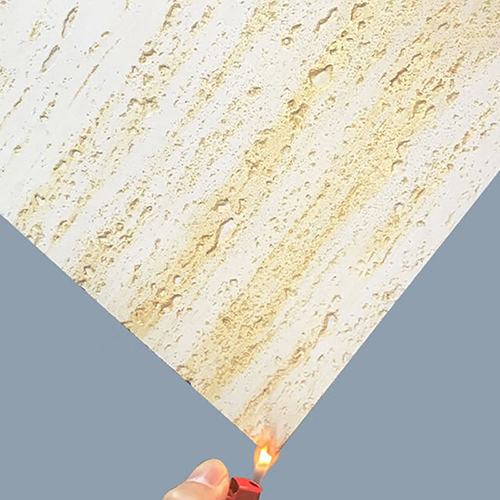
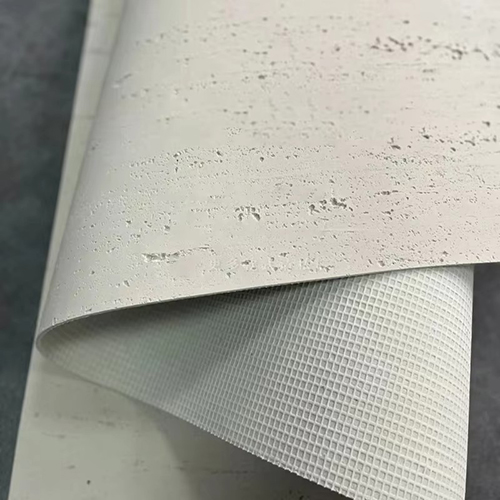
Flexible stone veneer sheets are ultra-thin layers of natural stone, typically less than 3mm in thickness, adhered to a lightweight backing made of materials like fiberglass, polyester, or composite fibers. These sheets maintain the rich texture, color, and pattern of natural stone, but with the added benefit of being flexible. This makes them adaptable for use in situations where traditional, heavy stone slabs would be impractical.
The flexibility and thinness of the stone allow it to conform to different shapes and surfaces, making it a perfect material for intricate designs and non-flat surfaces. Flexible stone veneer sheets offer the ideal solution for projects that require the luxury and beauty of natural stone without the challenges typically associated with stone installation.
Advantages of Flexible Stone Veneer Sheets
Lightweight and Easy to Handle:
One of the most significant advantages of flexible stone veneer sheets is their lightweight nature. Traditional stone slabs can be heavy and difficult to manage, often requiring specialized equipment. Flexible stone veneer sheets, however, weigh significantly less, making them easier to transport, cut, and install. The reduced weight not only simplifies installation but also helps reduce transportation and handling costs.
Natural Stone Aesthetic:
Despite their thinness, flexible stone veneer sheets retain all the aesthetic qualities of natural stone. Whether it’s the sleek appearance of marble, the rugged charm of slate, or the opulence of granite, the beauty and texture of the stone are preserved. This means that designers and builders can enjoy the authentic look of stone without the high weight or structural burden.
Flexibility for Curved and Irregular Surfaces:
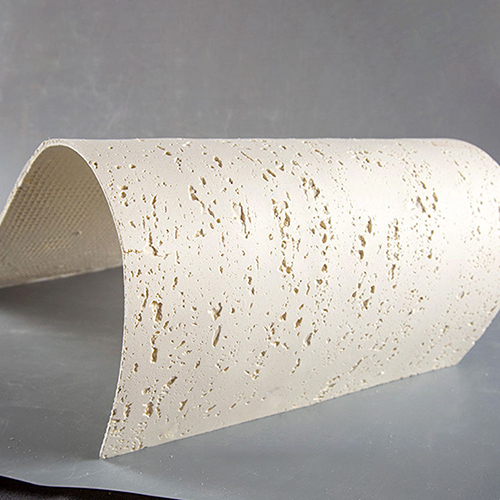
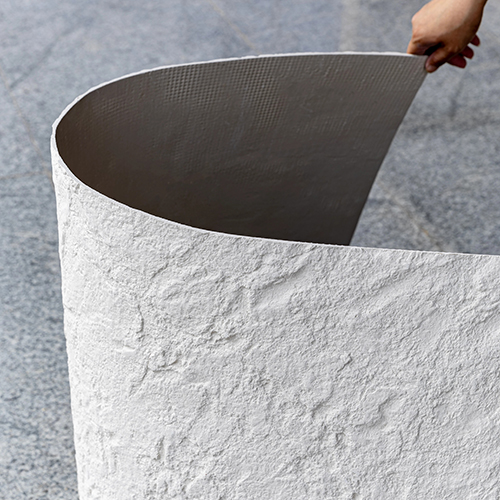
Flexible stone veneer sheets are not only lightweight but also incredibly versatile. Their pliability allows them to be applied to curved, angled, or uneven surfaces, offering design possibilities that are impossible with traditional rigid stone. This makes them ideal for applications such as feature walls, custom furniture, ceiling panels, and even rounded building facades.
Durability and Longevity:
Flexible stone veneer sheets offer the same durability and long-term performance as thicker stone materials. They are resistant to scratches, UV rays, and extreme weather conditions, ensuring that they retain their beauty and functionality for years. Whether used indoors or outdoors, these sheets can withstand high-traffic areas, moisture, and varying environmental conditions.
Cost-Effective and Sustainable:
Flexible stone veneer sheets are a more affordable alternative to traditional stone slabs. Since they are thinner, they use fewer raw materials, and their reduced weight means lower shipping and installation costs. Additionally, the use of natural stone combined with lightweight backing reduces the environmental impact compared to using thick stone materials. The sustainable production process further enhances their eco-friendly appeal.
Quick and Efficient Installation:
The ease of handling and reduced weight of flexible stone veneer sheets translates into faster and more efficient installation. Unlike traditional stone, which requires heavy lifting and specialized tools, flexible stone sheets can be applied quickly and effectively, reducing labor costs and project timelines. This makes them ideal for both small-scale renovations and large construction projects.
Common Applications of Flexible Stone Veneer Sheets
Flexible stone veneer sheets are versatile and can be applied in various areas of both residential and commercial design:
Wall Cladding and Feature Walls:
Flexible stone veneer sheets are often used to create striking feature walls, both in commercial and residential spaces. The material can be easily shaped and applied to walls of all sizes, including curved or irregularly shaped surfaces. This allows designers to craft unique, sophisticated interior environments, whether for living rooms, hotel lobbies, or offices.
Ceiling Panels and Decorative Features:
Flexible stone sheets can also be applied to ceilings, adding a touch of luxury and depth to a room’s design. The ability to work with curved and custom shapes allows for innovative ceiling designs, such as vaulted or arched ceilings, where traditional stone would be impractical.
Exterior Facades and Cladding:
The durability of flexible stone veneer sheets makes them ideal for use in exterior facades and cladding. They provide the high-end look of stone without the weight, making them suitable for both new constructions and renovations. Their flexibility allows them to be applied to curved facades, columns, and architectural details, offering a modern, elegant look.
Custom Furniture and Fixtures:
Designers can use flexible stone veneer sheets to create high-end custom furniture, such as countertops, tables, cabinets, and vanities. The lightweight nature of the sheets means they can be applied to furniture frames without the need for bulky, heavy materials. This is an excellent way to incorporate the elegance of stone into furniture designs without compromising on functionality.
Backsplashes and Countertops:
Flexible stone veneer sheets can be used for kitchen backsplashes and countertops, offering the natural beauty of stone in a more manageable, cost-effective form. They can be applied seamlessly to create a luxurious yet functional surface that’s easy to clean and maintain.
Retail and Commercial Interiors:
Flexible stone veneer sheets are increasingly used in retail spaces, such as high-end boutiques, showrooms, and restaurants. The sheets can be applied to walls, counters, and display areas, helping to create a sophisticated, professional environment that elevates the brand’s image.
Challenges and Considerations
While flexible stone veneer sheets offer many advantages, there are some considerations to keep in mind:
Installation Precision: Although easier to install than traditional stone, flexible veneer sheets still require precise installation. Proper adhesion and alignment are essential for ensuring a flawless finish, especially on complex surfaces.
Surface Preparation: For optimal bonding, the surface to which the stone sheets are applied must be smooth, clean, and primed if necessary. Any imperfections on the underlying surface could affect the adhesive’s performance.
Impact Resistance: While durable, flexible stone veneer sheets are still relatively thin, which means they may be more susceptible to damage from sharp impacts compared to traditional, thicker stone. Care should be taken during both handling and installation.
The Future of Flexible Stone Veneer Sheets
As demand for lightweight, sustainable, and aesthetically rich materials continues to rise, the future of flexible stone veneer sheets looks promising. Innovations in manufacturing, adhesive technology, and new applications will likely increase the versatility and affordability of these materials. As architects and designers continue to explore creative possibilities, flexible stone veneer sheets will play a key role in shaping the future of modern architecture and interior design.
Conclusion
Flexible stone veneer sheets are revolutionizing the use of natural stone in construction and design. Offering the authentic beauty of stone with the added benefits of lightness, flexibility, and ease of installation, these sheets provide a cost-effective, durable, and environmentally-friendly alternative to traditional stone. Whether used in residential, commercial, or creative projects, flexible stone veneer sheets are setting new standards for design possibilities, paving the way for a more sustainable and innovative future in architecture and interior design.