In today’s architectural and interior design landscape, flexible natural stone veneer is rapidly becoming a highly sought-after material. Combining the unparalleled beauty of real stone with the flexibility and lightweight qualities of advanced materials, this innovation offers designers, builders, and homeowners an opportunity to incorporate the timeless elegance of natural stone in ways that were previously difficult or impossible. With its versatility, ease of installation, and aesthetic appeal, flexible natural stone veneer is transforming how we approach both residential and commercial design.
What is Flexible Natural Stone Veneer?
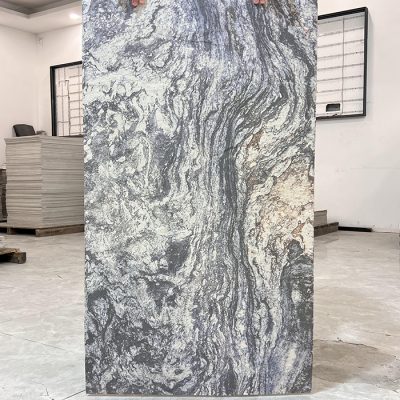
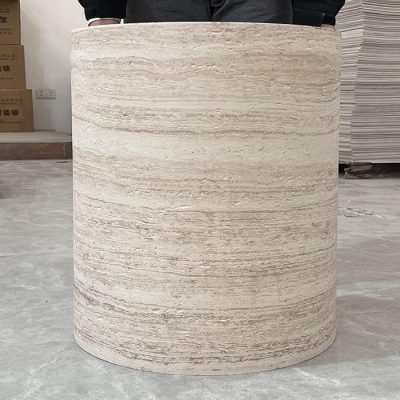
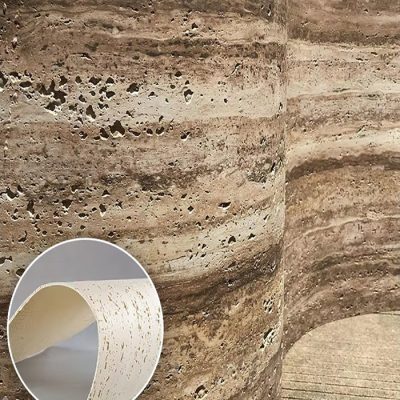
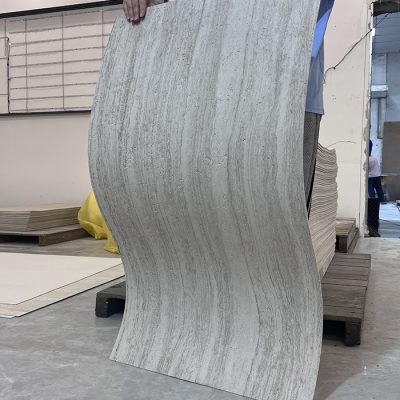
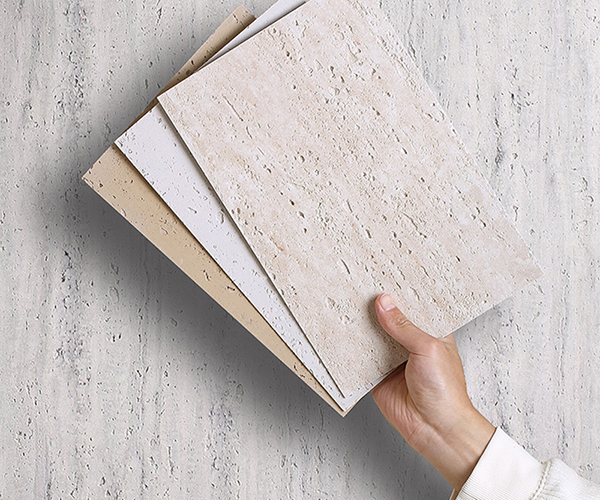
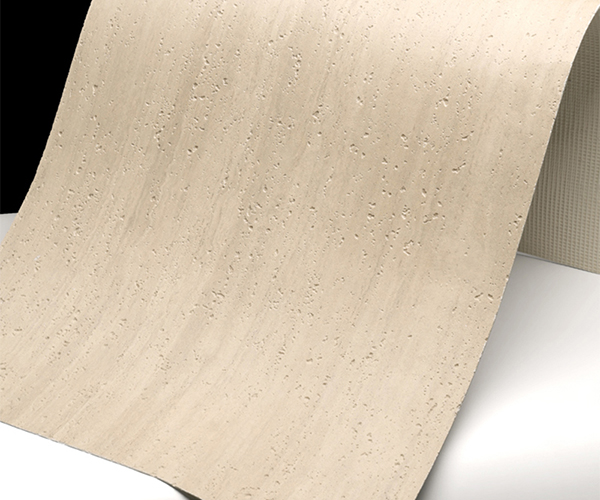
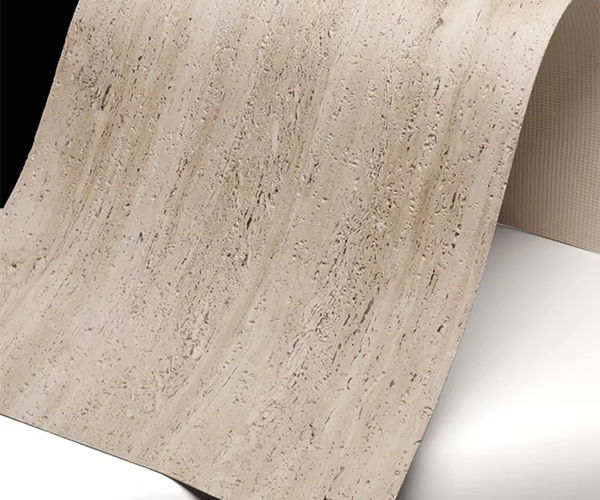
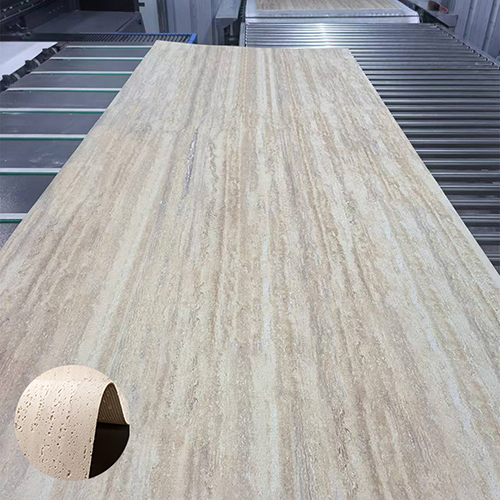
Flexible natural stone veneer is a thin layer of real stone, typically less than 3mm thick, bonded to a flexible backing material such as fiberglass, polyester, or other composites. Unlike traditional stone, which is heavy and rigid, flexible natural stone veneer retains all the aesthetic characteristics of natural stone—such as its texture, color, and veining—while offering the added benefits of flexibility and reduced weight.
These sheets of stone are designed to be applied to various surfaces, from walls and floors to ceilings and furniture, providing a sophisticated and high-end finish without the challenges associated with thicker, heavier stone slabs. The flexibility allows for applications on curved, irregular, or angled surfaces, where traditional stone would be impractical.
Key Benefits of Flexible Natural Stone Veneer
- Lightweight and Easy to Install:
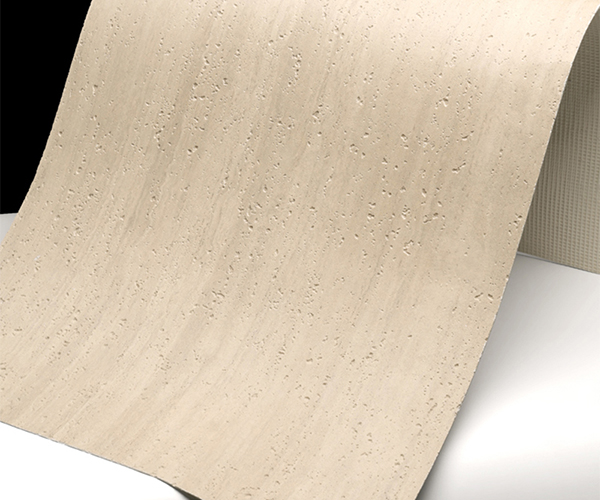
One of the most significant advantages of flexible natural stone veneer is its reduced weight compared to full-thickness stone. Traditional stone slabs are often heavy and require specialized equipment for transportation and installation. Flexible natural stone veneer, however, is lightweight and can be easily handled by a small team of installers. This reduces both installation time and labor costs, making it a practical option for various projects. - Authentic Stone Look:
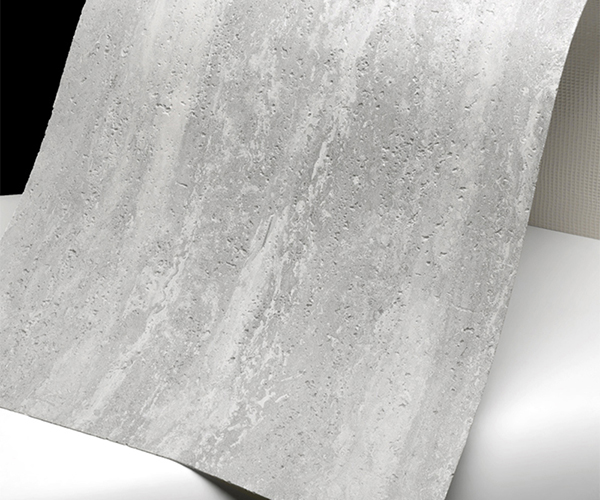
Flexible natural stone veneer offers the authentic appearance of natural stone. The intricate patterns, textures, and colors inherent in materials like marble, slate, limestone, or granite are preserved. This provides the luxury and elegance of traditional stone without the added bulk. Whether it’s a sleek and polished marble finish or the rustic charm of slate, this veneer can achieve the same visual appeal as thicker stone. - Design Flexibility:
The flexibility of the veneer opens up a world of design possibilities. Unlike traditional stone, which requires a flat, rigid surface, flexible stone veneer can be applied to curved, irregular, or even three-dimensional structures. This makes it ideal for projects such as custom furniture, feature walls, columns, and decorative panels, as well as architectural designs that require the material to conform to complex shapes. - Durability and Long-Term Value:
Despite its thinness, flexible natural stone veneer maintains the durability and strength of full-thickness stone. It is highly resistant to wear, moisture, UV radiation, and extreme temperatures, making it suitable for both indoor and outdoor applications. Over time, the veneer retains its original appearance, requiring little maintenance. Whether used in high-traffic areas or exposed to environmental elements, it provides long-lasting beauty and functionality. - Cost-Effective:
Traditional stone installation can be costly due to the material’s weight, transportation, and labor-intensive installation process. Flexible natural stone veneer is significantly more affordable, not only in terms of material costs but also installation costs. The ease of handling and reduced weight contribute to lower shipping, transportation, and labor expenses, making it a more budget-friendly option while still offering the beauty and quality of natural stone. - Eco-Friendly Option:
The production of flexible natural stone veneer is more resource-efficient than full-thickness stone, as it uses less raw material and energy in manufacturing. Additionally, its lightweight nature reduces transportation costs and energy consumption. For projects that prioritize sustainability, flexible natural stone veneer offers an eco-friendly alternative without compromising on design or performance.
Applications of Flexible Natural Stone Veneer
Flexible natural stone veneer can be used in a wide range of applications, making it a versatile material for both residential and commercial designs. Some of the most common uses include:
- Interior Wall Cladding:
Flexible natural stone veneer is often used for creating feature walls, accent walls, and decorative panels. Its ability to conform to curved or irregular surfaces makes it perfect for unique architectural designs. Whether in living rooms, offices, lobbies, or dining areas, it adds a luxurious touch to any space. Designers can use the veneer to create a focal point, adding texture and depth to otherwise flat walls. - Exterior Facades:
The durability and weather resistance of flexible stone veneer make it a perfect material for exterior cladding. These veneers can be applied to building facades, columns, and other exterior features, offering the elegant appearance of stone without the structural load of full-thickness slabs. The veneer is resistant to environmental elements such as rain, UV rays, and temperature changes, making it suitable for use in both residential and commercial outdoor projects. - Custom Furniture:
Flexible stone veneer is also ideal for custom furniture pieces. From countertops and kitchen islands to tables, cabinets, and even vanities, this veneer can be applied to furniture structures to create high-end, stone-finished pieces. This allows for unique, bespoke designs with the luxurious appearance of natural stone, while keeping the furniture lightweight and easy to move. - Ceiling Treatments:
Flexible natural stone veneer can be used for ceiling treatments, transforming a room with a dramatic, natural stone finish. The material can be applied to curved or flat ceilings, creating a sleek, sophisticated look. It is especially popular in high-end residential or commercial spaces, where a touch of elegance is needed to elevate the entire design. - Fireplaces and Mantels:
Stone veneer is often used in fireplace surrounds and mantels, offering a stylish and luxurious focal point for living rooms, lounges, and dining areas. Whether creating a contemporary modern look with smooth marble or a more rustic feel with textured slate, the veneer brings the authenticity and warmth of stone to these key architectural features. - Retail and Commercial Spaces:
Flexible natural stone veneer is increasingly popular in commercial settings, such as hotels, restaurants, and retail spaces. It is used for custom counters, reception desks, walls, and displays. Its ease of installation and elegant finish make it an ideal choice for creating high-end spaces that exude luxury and sophistication.
Challenges and Considerations
While flexible natural stone veneer offers numerous advantages, there are a few considerations to keep in mind:
- Installation Care: Although it is easier to handle and install than traditional stone, flexible natural stone veneer still requires precise installation. Surfaces must be properly prepared, and the right adhesives must be used to ensure a secure bond. Any imperfections in installation can compromise the aesthetic and durability of the veneer.
- Surface Durability: While flexible natural stone veneer is durable, it is still more vulnerable to damage from impact compared to traditional, thicker stone. Designers and builders should ensure that the veneer is applied to surfaces that will not experience heavy physical stress.
- Limited Thickness for Structural Use: While flexible natural stone veneer is suitable for most decorative applications, it may not always provide the necessary structural integrity in areas where thicker, full-thickness stone is required. However, for most design purposes, this is not a significant issue.
The Future of Flexible Natural Stone Veneer
As the demand for sustainable and innovative design solutions continues to grow, flexible natural stone veneer is poised to play an increasingly important role in the architecture and design industries. Advances in material technology and manufacturing processes are likely to further improve the quality, versatility, and affordability of this material, making it even more accessible to a broader range of projects.
Conclusion
Flexible natural stone veneer represents the future of stone use in modern architecture and design. Offering all the aesthetic beauty of natural stone with the added benefits of flexibility, lightness, and ease of installation, it provides a versatile solution for both residential and commercial spaces. Whether used for creating feature walls, custom furniture, or exterior facades, flexible natural stone veneer offers an elegant and cost-effective way to incorporate stone into modern design. As technology advances and sustainability becomes a greater priority, this material will undoubtedly continue to shape the future of the industry.