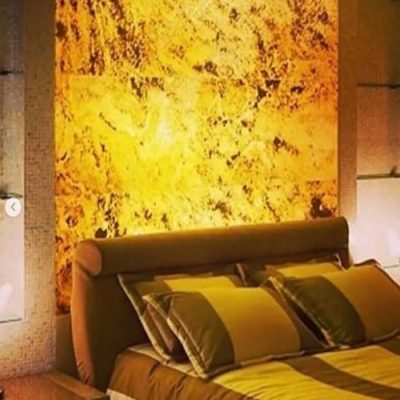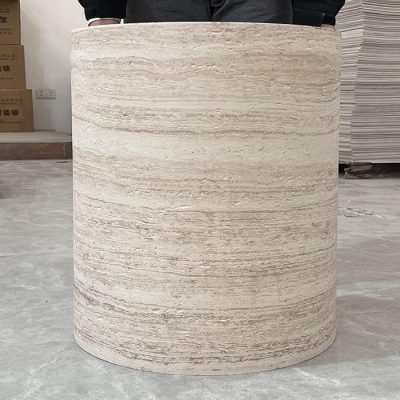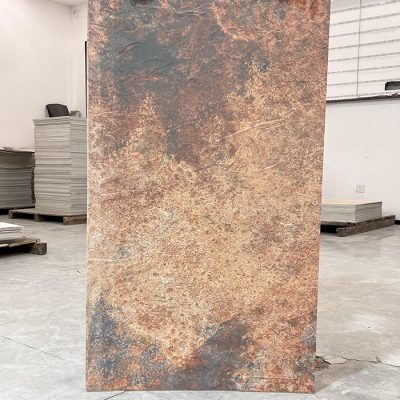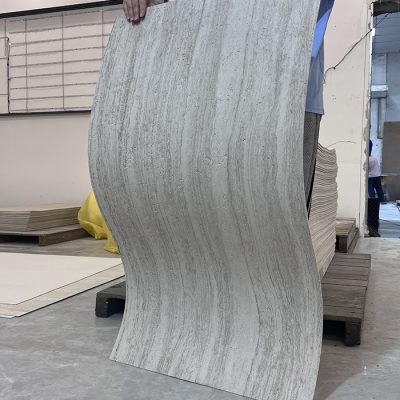
In the ever-evolving world of building materials, high-quality flexible stone has emerged as a revolutionary option, blending the elegance of natural stone with the versatility of modern technology. This innovative material offers the visual appeal of real stone but with added benefits such as reduced weight, increased flexibility, and ease of installation. Whether used in construction, interior design, or artistic applications, high-quality flexible stone is changing the way we approach design and architecture.
What is High-Quality Flexible Stone?
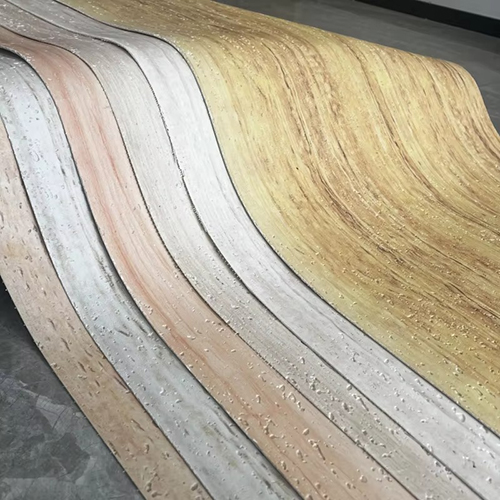
High-quality flexible stone is a thin veneer of natural stone bonded to a flexible backing, such as fiberglass or fabric. This composite material retains all the authentic textures, colors, and patterns of natural stone, but it is much lighter, thinner, and more adaptable than traditional stone slabs. With a thickness of just 1 to 3 millimeters, it can be easily applied to curved surfaces or intricate designs, where traditional stone would be too heavy or rigid.
This flexibility allows the stone to be used in a wider variety of applications, both in interior and exterior environments, without sacrificing the beauty or durability of the natural material.
Benefits of High-Quality Flexible Stone
Authentic Stone Aesthetic:
Despite its thinness, high-quality flexible stone maintains the true appearance of natural stone. Whether it’s the classic elegance of marble, the rustic charm of slate, or the luxurious appeal of granite, the material offers all the beauty of natural stone without the bulk or weight. The surface texture, patterns, and colors remain unchanged, allowing designers and builders to create stunning, high-end designs.
Lightweight and Easy to Handle:
Traditional stone can be cumbersome, requiring specialized tools and heavy machinery for transport and installation. In contrast, high-quality flexible stone is lightweight, making it easier to handle and install. The reduced weight also lowers transportation costs and makes it a more cost-effective choice for large-scale projects.
Increased Design Flexibility:
The ability to bend and conform to curves gives high-quality flexible stone a distinct advantage over traditional stone. This flexibility opens up new possibilities for creative design applications. It can be used for creating intricate details on walls, ceilings, furniture, and even vehicles, providing designers with the freedom to explore new forms and shapes that would have been difficult to achieve with rigid stone.
Durability and Longevity:
Despite being lightweight and flexible, high-quality flexible stone retains the same durability and longevity as traditional stone. It is resistant to wear and tear, weathering, and UV damage, ensuring that it will maintain its appearance over time. Additionally, since it’s made from real stone, it resists scratching and chipping, making it a highly reliable material for both high-traffic areas and outdoor environments.
Eco-Friendly and Sustainable:
The production of high-quality flexible stone uses less raw material compared to traditional stone slabs. This makes it a more sustainable option, as it helps reduce waste and environmental impact. Furthermore, its longevity and durability ensure that it does not need to be replaced frequently, making it a responsible choice for environmentally conscious projects.
Cost-Effective:
While high-quality flexible stone provides the luxurious look of natural stone, it is often more affordable than thicker, heavier stone slabs. Its lightweight nature reduces installation and handling costs, while its versatility allows for greater design flexibility, making it a cost-effective solution for both residential and commercial projects.
Applications of High-Quality Flexible Stone
High-quality flexible stone is versatile enough to be used in a variety of applications across multiple industries:
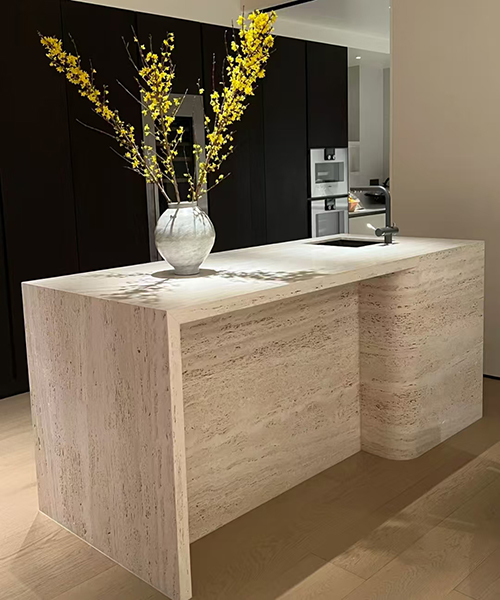
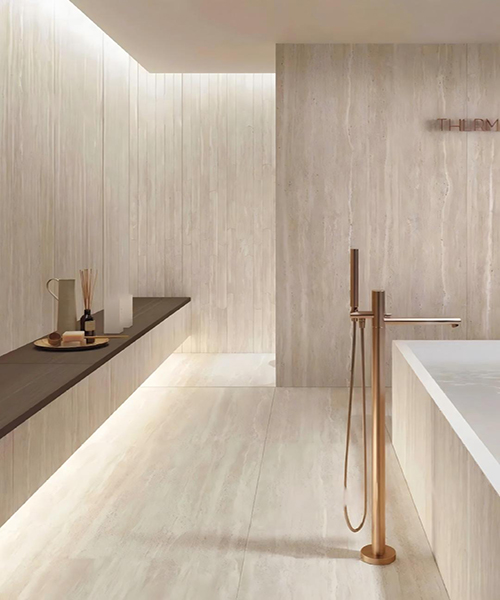
Interior Design: This material is perfect for creating feature walls, backsplashes, countertops, and flooring in homes, offices, and commercial spaces. Its ability to conform to different shapes and surfaces makes it ideal for unique and creative interior designs.
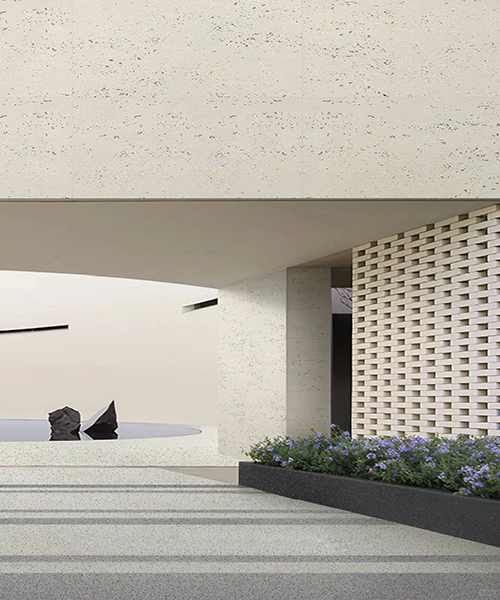
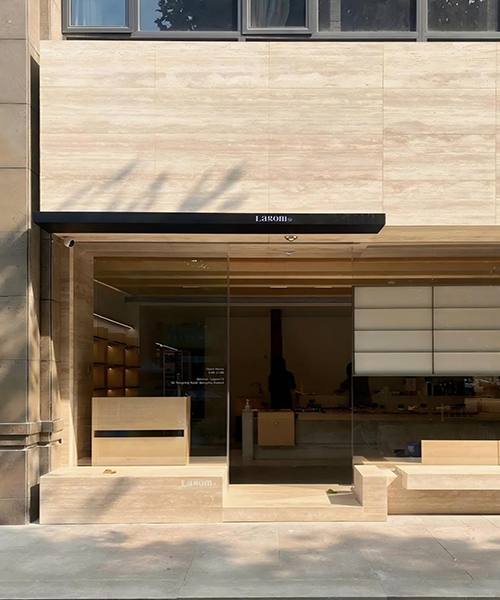
Exterior Cladding and Facades: Flexible stone is increasingly being used in exterior cladding and facades, providing a natural stone look for building exteriors without the weight load of traditional stone. Its weather-resistant properties make it suitable for all climates.
Furniture and Décor: Designers are using flexible stone to create high-end furniture, decorative panels, and even bathroom vanities. Its flexibility allows it to be applied to furniture pieces, creating a luxurious, stone-like finish that’s both modern and elegant.
Automotive and Aerospace: In the automotive industry, flexible stone is being used for vehicle interiors and exterior trim, providing a premium appearance while reducing weight. It’s also used in the aerospace industry for interior features, combining durability with a lightweight nature.
The Future of High-Quality Flexible Stone
As manufacturing techniques improve, the potential for high-quality flexible stone continues to grow. Innovations in bonding technology and the development of more sustainable production methods will increase its strength, flexibility, and range of applications. The growing demand for eco-friendly and cost-effective materials in the building industry also ensures that high-quality flexible stone will remain a popular choice for architects, designers, and builders looking for a material that combines aesthetics with functionality.
Conclusion
High-quality flexible stone is an exciting material that offers a perfect blend of beauty, durability, and flexibility. It allows for innovative designs that were previously difficult to achieve with traditional stone materials. Whether for residential, commercial, or artistic applications, this material provides a solution that not only looks stunning but also offers the practical benefits of being lightweight, cost-effective, and sustainable. As the world of design and construction continues to evolve, high-quality flexible stone will undoubtedly play an important role in shaping the future of architecture and interior design.