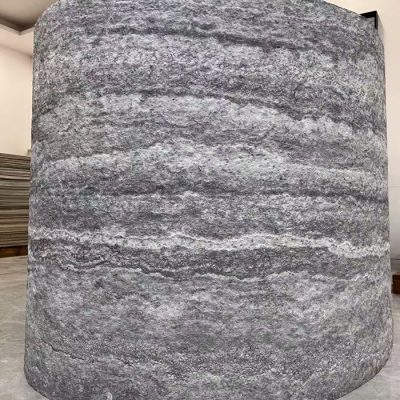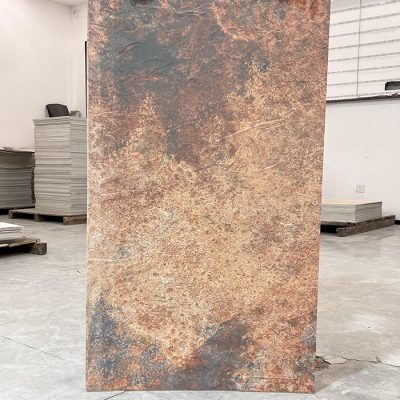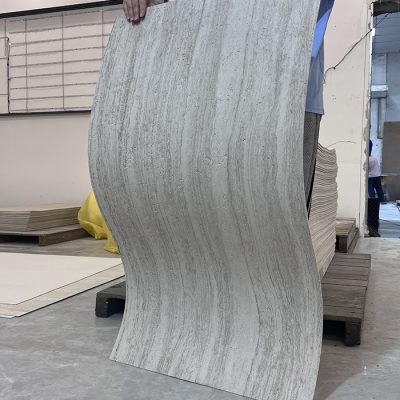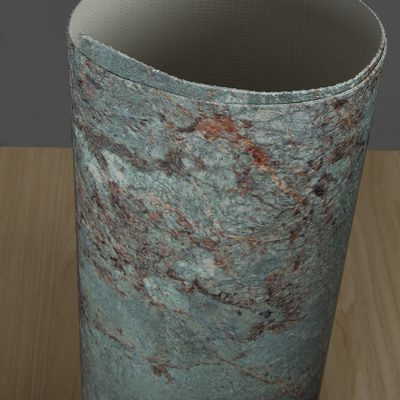
In recent years, flexible stone panels have emerged as a groundbreaking innovation in the field of construction and design. These panels combine the timeless beauty of natural stone with the adaptability and ease of modern materials. The result is a versatile, lightweight, and durable solution that is revolutionizing how architects, designers, and builders approach both interior and exterior applications.
What Are Flexible Stone Panels?
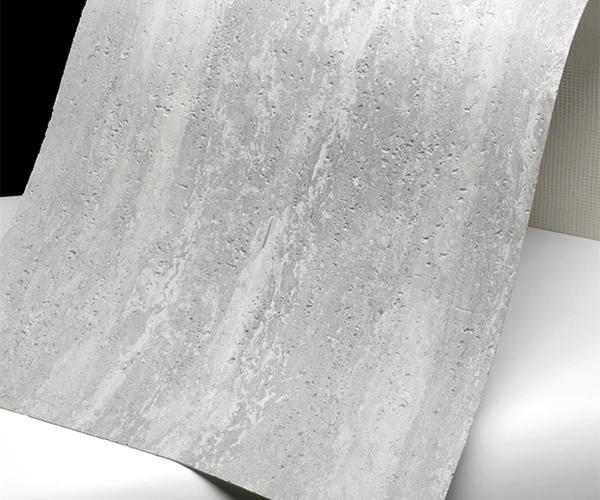
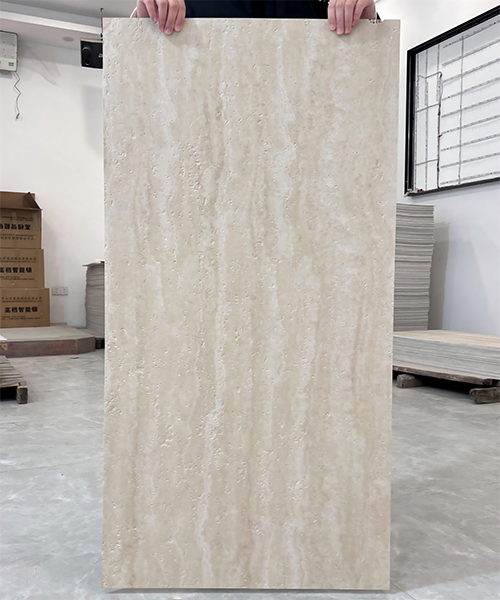
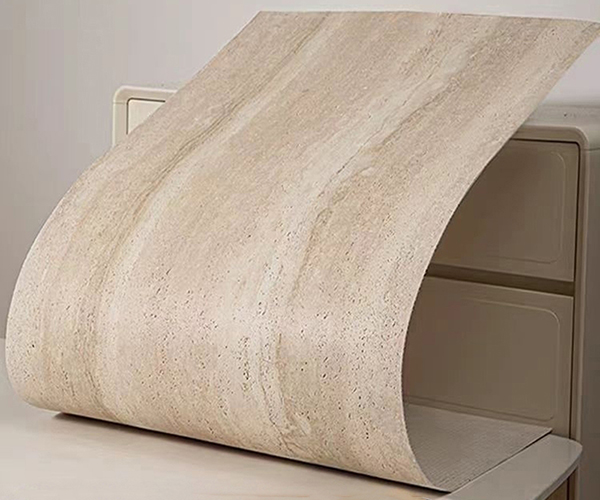
Flexible stone panels are thin, lightweight sheets of natural stone that are bonded to a flexible, durable backing material, such as fiberglass, polyester, or other composite materials. Unlike traditional stone, which is rigid and heavy, flexible stone panels are designed to be pliable, allowing them to be used in a wider range of applications. These panels are typically less than 5mm thick, making them easy to handle, cut, and install, while still retaining the aesthetic and durability of real stone.
Key Advantages of Flexible Stone Panels
Lightweight Yet Durable:
One of the most notable features of flexible stone panels is their lightweight nature. Traditional stone is often heavy and difficult to work with, requiring special equipment for handling and installation. Flexible stone panels, however, reduce the weight by as much as 80%, making them easier to transport and install without sacrificing the durability and strength of natural stone.
Versatility in Design:
The flexibility of these stone panels allows them to conform to curved, irregular, and complex surfaces. This makes them ideal for a wide range of applications, including walls, ceilings, floors, and even furniture. Their ability to be applied to non-flat surfaces opens up countless design possibilities that would be impossible with traditional stone slabs.
Aesthetic Appeal of Natural Stone:
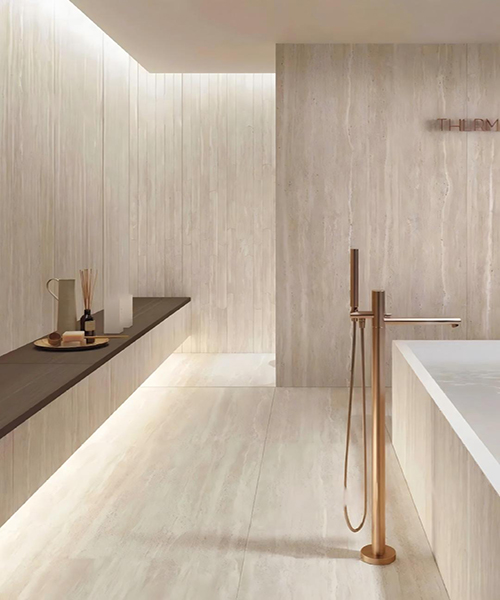
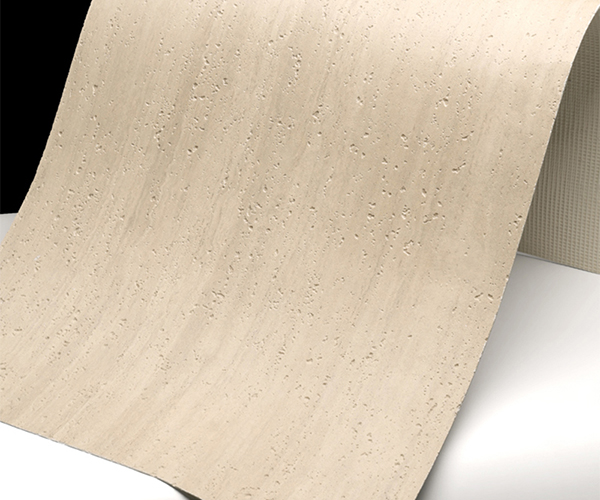
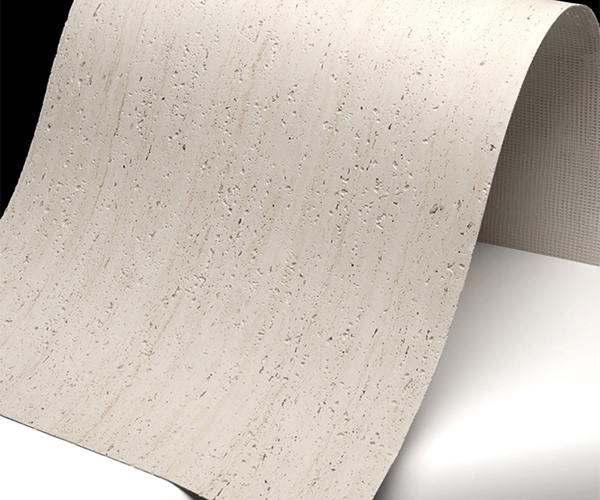
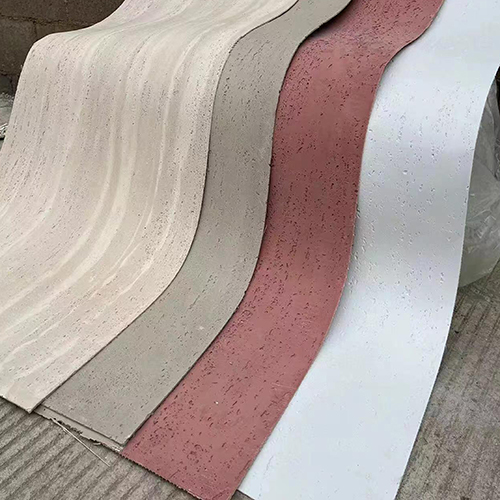
Flexible stone panels maintain the beauty and texture of natural stone, offering the same rich colors, patterns, and intricate details found in marble, granite, slate, limestone, and other types of stone. This allows designers to achieve the luxurious look and feel of real stone without the associated weight and complexity.
Cost-Effective Solution:
Traditional stone installations can be costly due to the high price of the stone itself, as well as the labor and equipment required for transport and installation. Flexible stone panels provide a more affordable alternative by reducing material costs and making installation faster and less labor-intensive.
Eco-Friendly Option:
Flexible stone panels are an environmentally friendly choice because they use less raw material than traditional stone slabs. By utilizing thin veneers of natural stone, the panels help conserve natural resources. Additionally, their lightweight nature reduces the environmental impact associated with transportation and handling.
Durability and Longevity:
Just like traditional stone, flexible stone panels are highly durable and resistant to wear, scratches, and weathering. They can withstand harsh environmental conditions, including extreme temperatures, moisture, and UV radiation, making them suitable for both indoor and outdoor applications.
Applications of Flexible Stone Panels
Flexible stone panels are incredibly versatile and can be used in a wide range of applications across various industries:
Interior Design:
Flexible stone panels are widely used in interior design projects, where they are applied to walls, floors, countertops, and backsplashes. Their ability to bend and conform to different shapes makes them perfect for creative designs, such as curved walls or intricate patterns that would be challenging with conventional stone.
Exterior Cladding:
In building facades, flexible stone panels offer a lightweight yet durable option for achieving the natural stone look without the structural burden of traditional stone cladding. They can be used in both residential and commercial buildings, providing an elegant and modern aesthetic to the exterior.
Furniture and Decor:
Flexible stone panels are increasingly being used in the design of furniture pieces, such as tables, countertops, and vanities. The material allows designers to create sophisticated and durable pieces that maintain the appearance of solid stone while being easy to handle and install.
Automotive and Aerospace Industries:
Due to their flexibility and lightweight properties, these panels are also being explored for use in the automotive and aerospace sectors. The stone panels can be applied as decorative accents in vehicle interiors or even as trim on exteriors, providing a premium and unique finish without adding significant weight.
Retail and Commercial Spaces:
Flexible stone panels are a popular choice for high-end retail and commercial spaces. They can be used to create striking feature walls, sleek reception desks, or innovative architectural features that enhance the overall aesthetic of the space. Their versatility allows them to be used in everything from modern office buildings to luxury boutiques.
Challenges and Considerations
While flexible stone panels offer many benefits, there are a few considerations to keep in mind when choosing this material for a project:
Installation Precision: Although flexible, stone panels require careful handling during installation to ensure they are properly aligned and securely adhered to surfaces. Professional installation is recommended for optimal results.
Cost vs. Traditional Stone: While flexible stone panels can be more cost-effective than traditional stone, they still represent a premium material. The cost can vary depending on the type of stone used and the backing material.
Surface Preparation: Proper surface preparation is crucial to ensure the adhesive bonds well and that the panels stay securely in place over time. In some cases, the surface may need to be treated or primed before application.
The Future of Flexible Stone Panels
The future of flexible stone panels looks bright, with ongoing advancements in manufacturing techniques and materials. As more architects and designers embrace the potential of this innovative material, we can expect to see even more applications and creative uses in the design world. With the growing demand for sustainable, lightweight, and versatile materials, flexible stone panels are poised to become a staple in modern architecture and interior design.
Conclusion
Flexible stone panels represent a new era in architectural and design innovation. By combining the timeless beauty of natural stone with modern technology, these panels offer a flexible, lightweight, and cost-effective solution for a wide range of applications. Whether used for interior design, exterior cladding, or custom furniture, flexible stone panels provide a unique way to enhance the aesthetic appeal and functionality of any project. With their durability, versatility, and eco-friendly attributes, they are redefining what is possible in the world of design and construction.