As architectural design evolves, flexible stone veneer has gained recognition for its versatility and functionality, especially in exterior applications. Traditionally, stone cladding was synonymous with heavy slabs that required specialized equipment and extensive installation efforts. Today, flexible stone veneer offers a game-changing alternative, combining the beauty and timeless appeal of natural stone with lightweight, flexible qualities that make it ideal for a wide range of exterior projects. Whether for residential homes, commercial buildings, or high-rise facades, flexible stone veneer provides a sophisticated and durable solution that can transform any structure.
What is Flexible Stone Veneer for Exteriors?
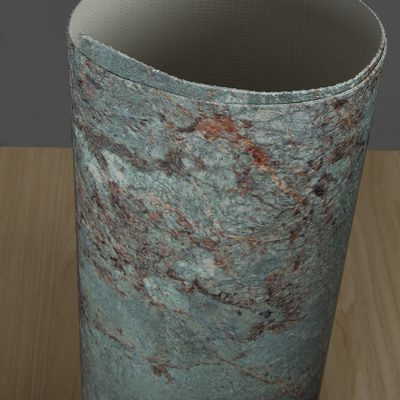
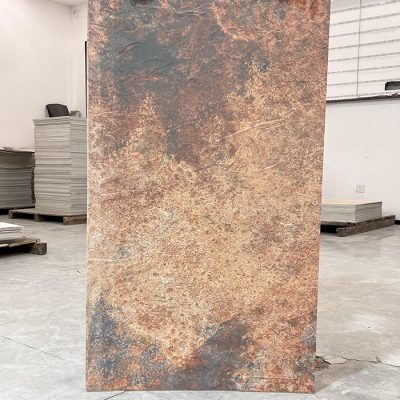
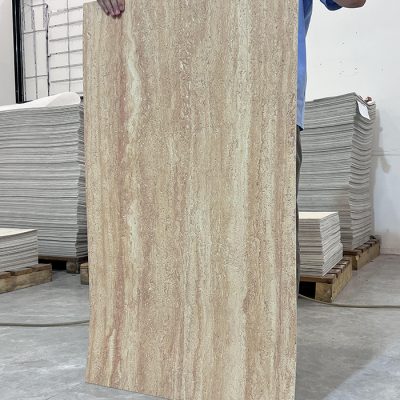
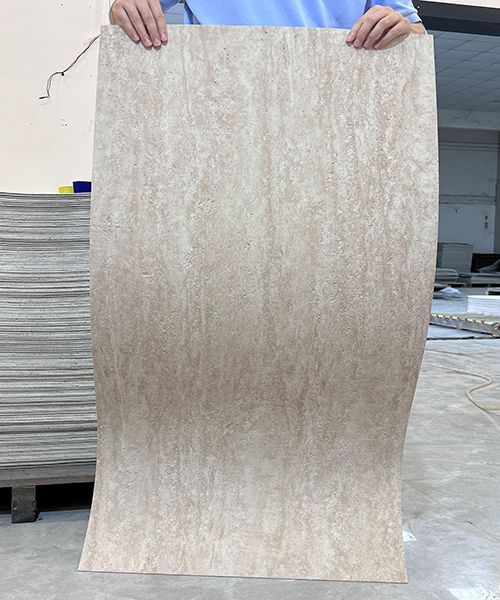
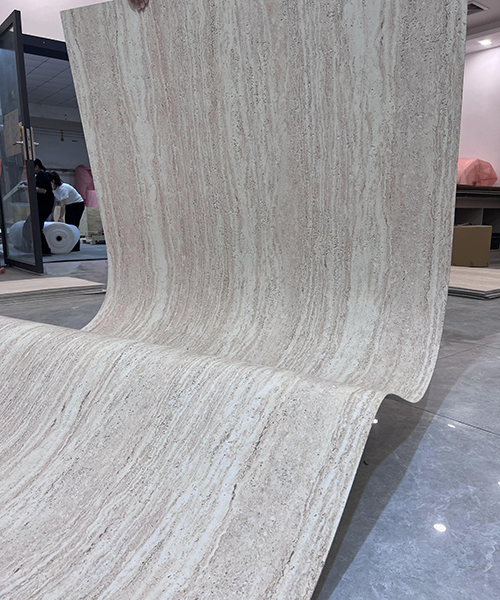
Flexible stone veneer for exterior use is a thin, lightweight sheet of natural stone that is adhered to a backing material like fiberglass, polyester, or composite fibers. Unlike traditional, thick stone slabs, flexible stone veneer preserves the texture, color, and patterns of natural stone while reducing its weight and improving its adaptability. The material is typically 2-3 mm thick but is still incredibly durable, making it suitable for both decorative and functional uses in outdoor environments.
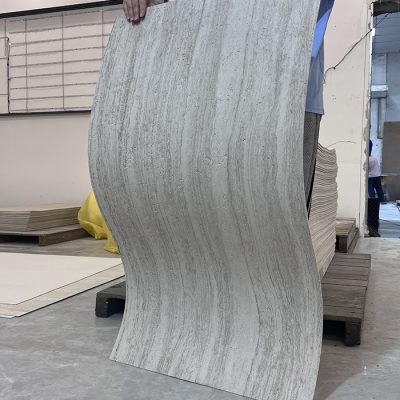
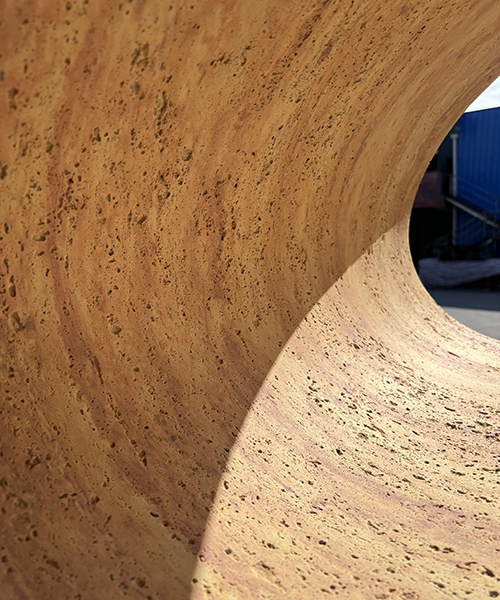
Due to its flexibility, it can be applied to both flat and curved surfaces, making it an ideal material for complex or unique architectural designs. From modern urban buildings to traditional stone-clad homes, flexible stone veneer offers an aesthetic that combines the luxurious appearance of stone with the practical benefits of modern materials.
Key Benefits of Flexible Stone Veneer for Exterior Use
Lightweight and Easy to Install:
One of the most significant advantages of flexible stone veneer is its lightweight nature. Traditional stone cladding can be heavy, requiring additional structural support and making installation labor-intensive. Flexible stone veneer, on the other hand, reduces the burden on building structures and is much easier to transport, handle, and install. The lightweight material makes it a cost-effective option for exterior cladding, as it lowers both transportation and installation costs.
Authentic Natural Stone Appearance:
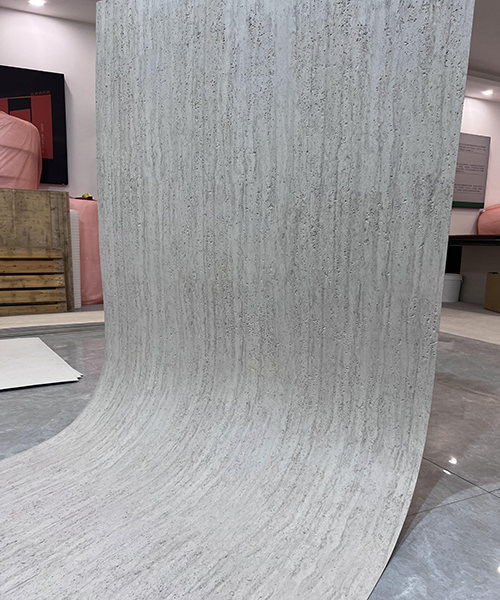
Flexible stone veneer retains the authentic look and feel of natural stone. Whether it’s the rich textures of slate, the classic elegance of marble, or the timeless beauty of limestone, the veneer preserves all the visual qualities that make natural stone desirable. The intricate veining, surface patterns, and colors of the stone remain intact, providing an upscale finish without the bulk of traditional stone slabs. This makes it a popular choice for creating high-end exterior facades.
Durability and Weather Resistance:
Designed to withstand the elements, flexible stone veneer is durable and highly resistant to weathering. Unlike synthetic materials, which can fade or degrade over time, flexible stone veneer maintains its appearance and structural integrity in harsh environmental conditions. It is resistant to UV rays, extreme temperatures, moisture, and mildew, making it ideal for exterior applications where exposure to the weather is inevitable. This makes it a perfect choice for both residential and commercial projects in regions with diverse climates.
Design Flexibility:
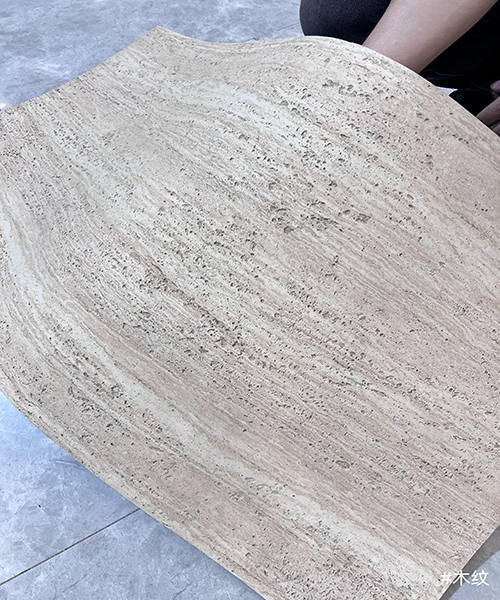
The flexibility of the material allows for a broad range of design possibilities. Unlike rigid stone, which must be applied only to flat surfaces, flexible stone veneer can be used on both flat and curved surfaces, enabling the creation of intricate facades, feature walls, or architectural elements such as columns and arches. This allows designers to achieve a dynamic and modern look, or even replicate classic stone finishes, all while minimizing installation difficulties.
Cost-Effectiveness:
Flexible stone veneer is often more affordable than traditional stone cladding. The reduced material costs, coupled with easier installation, make it a cost-effective solution for exterior cladding. The savings in transportation, structural reinforcement, and labor can significantly reduce the overall cost of a building project, making it an attractive option for both large-scale commercial developments and residential homes.
Eco-Friendly Solution:
Flexible stone veneer is a more sustainable option compared to full-thickness stone. The process of creating thin stone veneers uses fewer raw materials and energy, reducing the environmental impact associated with stone extraction and processing. Additionally, the lightweight nature of the product means that transportation costs and fuel consumption are also reduced. Many manufacturers are also adopting eco-friendly production processes, contributing to the material’s overall sustainability.
Common Applications of Flexible Stone Veneer for Exterior Projects
The unique properties of flexible stone veneer make it ideal for a wide variety of exterior applications. Below are some of the most popular uses:
Building Facades:
One of the most common uses of flexible stone veneer in exterior design is for building facades. Whether it’s a commercial skyscraper, a modern urban building, or a classic residential home, flexible stone veneer provides an elegant and durable finish that can significantly enhance the building’s appearance. It can be applied to flat or curved surfaces and is perfect for creating a high-end, sophisticated look without the structural load of traditional stone cladding.
Exterior Walls:
Flexible stone veneer is also widely used for cladding exterior walls, including garden walls, retaining walls, or boundary walls. The stone veneer provides a visually appealing texture that blends beautifully with natural surroundings, adding depth and character to outdoor spaces. The material’s weather resistance ensures that it will maintain its appearance for years to come, even in exposed outdoor environments.
Outdoor Fireplaces and Barbecues:
The versatility and durability of flexible stone veneer make it an excellent material for constructing outdoor fireplaces, fire pits, and barbecue areas. The authentic look of stone adds a rustic and luxurious touch to outdoor living spaces, making them perfect for social gatherings or relaxing evenings. Flexible stone veneer is heat-resistant and can withstand the intense temperatures generated by fire features, making it both a safe and attractive option for outdoor cooking and entertainment areas.
Landscaping and Garden Features:
Designers often use flexible stone veneer for various landscaping applications, such as garden paths, decorative borders, or outdoor sculptures. The material’s lightweight and flexible nature allow it to be applied to a variety of outdoor surfaces, adding a touch of elegance and texture to garden features. Flexible stone veneer can also be used for cladding raised garden beds or planters, adding a stylish stone finish that blends seamlessly with the natural landscape.
Columns, Pillars, and Decorative Elements:
Flexible stone veneer is often used to cover columns, pillars, and other decorative elements in outdoor spaces. This allows for the creation of grand, classical architectural features with the sophisticated finish of stone, without the need for massive, heavy stone blocks. The ability to wrap these structures with flexible stone ensures a seamless, uniform appearance, making it ideal for both modern and traditional designs.
Considerations for Using Flexible Stone Veneer Outdoors
While flexible stone veneer offers numerous benefits for exterior applications, there are a few considerations to keep in mind:
Surface Preparation: The surfaces to which flexible stone veneer is applied should be properly prepared to ensure a strong and durable bond. Any dust, dirt, or moisture can interfere with adhesion, so careful cleaning and priming of the surface are essential for optimal results.
Installation Techniques: While flexible stone veneer is easier to install than traditional stone, it still requires skill and attention to detail. Professional installation ensures that the material is correctly aligned, cut, and bonded to the surface, especially when dealing with intricate or curved designs.
Impact Resistance: Though durable, flexible stone veneer is thinner and more vulnerable to impact damage than full-thickness stone. Care should be taken to avoid direct impacts or sharp objects that may cause cracks or chips.
Conclusion
Flexible stone veneer for exterior applications is an innovative and efficient material that offers all the aesthetic benefits of traditional stone while providing practical advantages such as reduced weight, ease of installation, and greater design flexibility. Whether for creating striking facades, luxurious outdoor features, or unique landscaping elements, flexible stone veneer allows architects and designers to achieve stunning results that would be difficult to attain with traditional stone. With its durability, cost-effectiveness, and eco-friendly attributes, flexible stone veneer is quickly becoming the material of choice for both residential and commercial exterior projects.