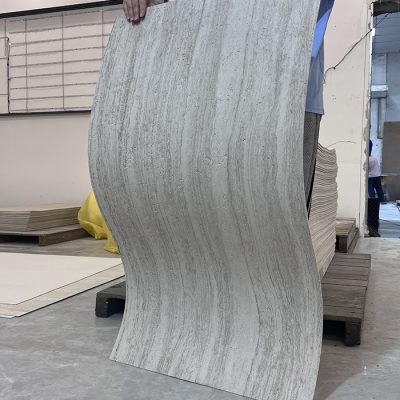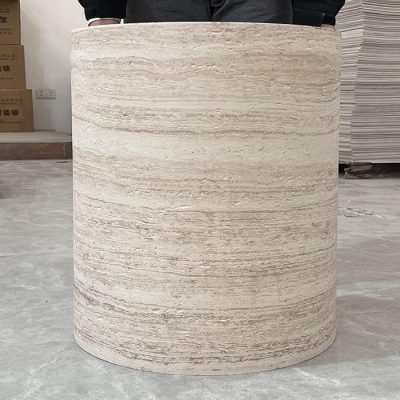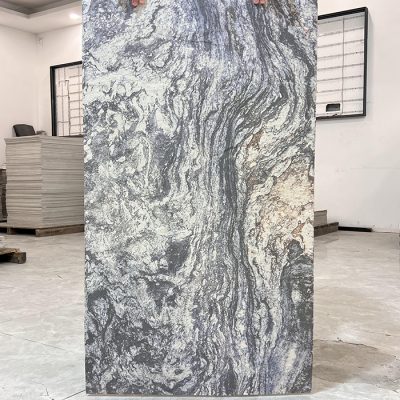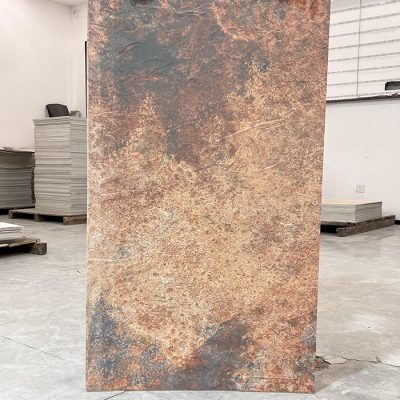
Natural stone has long been a symbol of elegance, strength, and timeless beauty in architecture and design. However, traditional stone can be heavy, costly, and challenging to work with. Enter flexible natural stone veneer—a groundbreaking solution that combines the luxurious aesthetic of real stone with modern, lightweight, and adaptable technology. This innovation allows architects, designers, and builders to incorporate the beauty of natural stone into a variety of applications that were previously difficult, if not impossible, to achieve with conventional stone slabs.
What is Flexible Natural Stone Veneer?
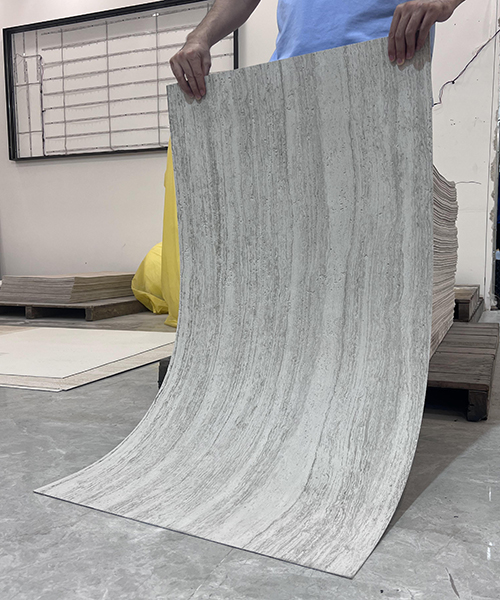
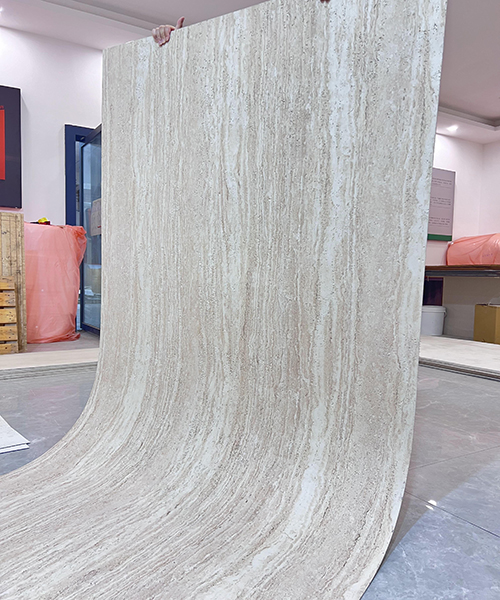
Flexible natural stone veneer is a thin, flexible sheet made from real natural stone, usually less than 3mm thick, bonded to a lightweight, flexible backing such as fiberglass, polyester, or composite materials. Unlike traditional stone slabs, which are rigid and heavy, this veneer retains the authentic texture, color, and pattern of natural stone while offering the benefits of flexibility, lightness, and ease of installation.
The thinness and flexibility of the material allow it to be applied to a wide variety of surfaces, including curved, angled, or irregularly shaped structures. Whether it’s a modern residential design, a luxurious commercial project, or intricate decorative features, flexible natural stone veneer opens up new possibilities for creating stunning and functional stone finishes.
The Advantages of Flexible Natural Stone Veneer
Authentic Look and Feel:
One of the most significant benefits of flexible natural stone veneer is its ability to replicate the true characteristics of natural stone. Unlike faux stone or synthetic alternatives, this veneer maintains the authentic texture, veining, and color found in stones like marble, slate, granite, and limestone. Whether used indoors or outdoors, the veneer delivers the same high-end look as traditional stone slabs, providing a natural, sophisticated finish that elevates any space.
Lightweight and Easy to Handle:
Traditional stone cladding is often heavy and requires specialized equipment for transportation and installation. Flexible natural stone veneer, on the other hand, is much lighter, which makes it easier to handle, transport, and install. This not only reduces shipping and handling costs but also makes the installation process faster and more cost-effective. The reduced weight also eliminates the need for additional structural support, making it ideal for projects where weight restrictions are a concern.
Versatile Design Applications:
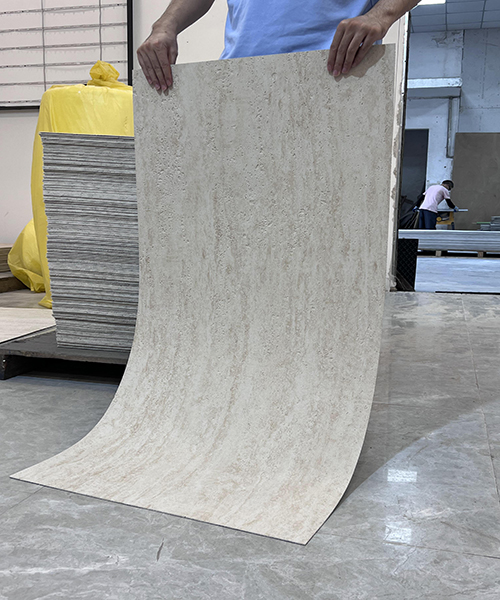
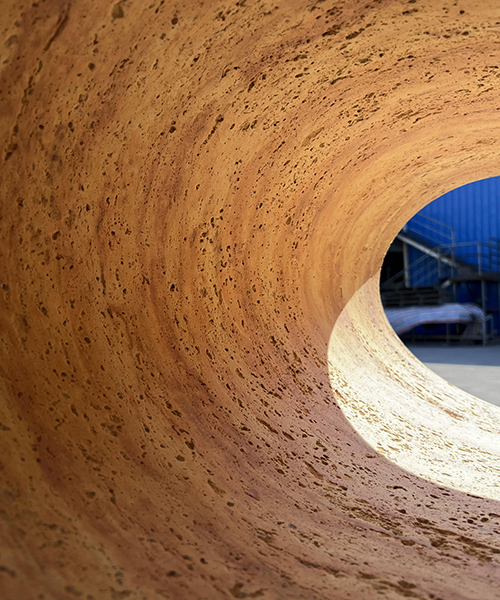
The flexibility of this material makes it suitable for a wide range of design applications. Unlike rigid stone slabs, which can only be used on flat surfaces, flexible natural stone veneer can be applied to curved, angled, and even three-dimensional surfaces. This versatility allows designers to use the material in places that would otherwise be difficult to cover with traditional stone, such as round columns, vaulted ceilings, custom furniture, or even intricate interior and exterior designs.
Durability and Performance:
Despite its thin profile, flexible natural stone veneer retains the durability and resilience of full-thickness natural stone. It is resistant to wear, moisture, UV rays, and extreme temperatures, making it suitable for both indoor and outdoor applications. Whether it’s used in high-traffic areas, exterior facades, or exposed to the elements, this veneer will maintain its structural integrity and visual appeal over time.
Cost-Effective Solution:
Flexible natural stone veneer is often more affordable than traditional stone slabs, both in terms of material costs and installation. The reduced weight means lower transportation costs, and the ease of installation leads to savings in labor expenses. Additionally, since it can be applied to both flat and curved surfaces without the need for heavy tools or machinery, it offers a more affordable alternative for projects that demand the luxurious look of stone without the associated high costs.
Eco-Friendly Option:
Flexible natural stone veneer is a more sustainable option than full-thickness stone. The production of these thin layers uses fewer natural resources, and the reduced weight helps lower the carbon footprint during transportation. Many manufacturers are also adopting eco-friendly practices, such as using sustainable materials for the backing layer, further enhancing the environmental benefits of this material.
Common Applications of Flexible Natural Stone Veneer
The versatility and beauty of flexible natural stone veneer make it suitable for a wide range of applications in both residential and commercial projects. Some of the most common uses include:
Interior Wall Cladding:
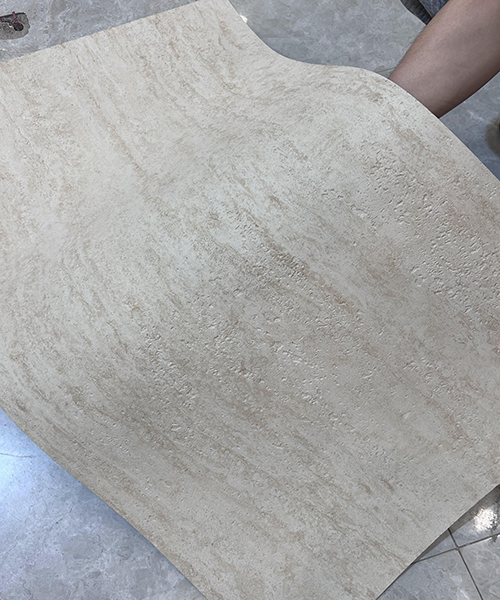
Flexible natural stone veneer is commonly used to create stunning feature walls and accent walls. Whether in a living room, office, hotel lobby, or restaurant, this material adds depth, texture, and a touch of elegance to any interior. Its flexibility makes it ideal for creating unique designs, such as curved or three-dimensional wall treatments, which are impossible to achieve with traditional stone.
Exterior Facades and Cladding:
For exterior applications, flexible natural stone veneer provides an elegant and durable solution for cladding building facades. It can be applied to both flat and curved surfaces, offering architects the opportunity to design striking building exteriors. The veneer’s weather resistance ensures that it will maintain its aesthetic appeal in harsh outdoor conditions, such as UV exposure, rain, and temperature fluctuations.
Custom Furniture and Fixtures:
The lightweight and flexible nature of this material also make it perfect for custom furniture pieces. From countertops and kitchen islands to tables, cabinets, and vanities, flexible natural stone veneer can be applied to furniture frames to create luxurious stone finishes. This allows designers to create bespoke pieces with the timeless beauty of natural stone without the added weight and complexity of traditional stone.
Fireplace Surrounds and Mantels:
Flexible natural stone veneer is an excellent choice for fireplace surrounds and mantels. The veneer’s realistic appearance brings warmth and sophistication to any living space. Whether used in contemporary, traditional, or rustic designs, the material creates a beautiful and functional focal point in any room.
Exterior Landscaping Features:
In landscaping, flexible natural stone veneer is used for creating elegant garden walls, outdoor kitchens, and fire pits. The material’s lightweight properties make it easy to incorporate into various outdoor designs, while its durability ensures it can withstand the elements without losing its aesthetic appeal.
Ceiling Treatments:
Flexible stone can also be used for ceiling treatments, such as stone-clad ceilings or suspended features. This application can create dramatic, high-end looks in dining areas, lobbies, or private residences. The veneer can be applied to curved, vaulted, or even irregular ceilings, adding texture and depth to the upper spaces in a room.
Challenges and Considerations
While flexible natural stone veneer offers numerous benefits, there are a few considerations to keep in mind:
Installation Precision: While easier to install than traditional stone, flexible natural stone veneer still requires careful attention during installation. The surface must be properly prepared, and the right adhesive must be used to ensure a strong bond.
Impact Resistance: Although flexible natural stone veneer is durable, it is thinner and more susceptible to damage from sharp impacts or rough handling compared to full-thickness stone. Care should be taken during both installation and use to avoid damage to the veneer.
Surface Compatibility: The material works best on smooth, stable surfaces. Uneven or unstable surfaces may need to be prepared before the veneer can be applied effectively.
The Future of Flexible Natural Stone Veneer
As the demand for lightweight, sustainable, and aesthetically rich materials continues to grow, flexible natural stone veneer is expected to play an increasingly important role in the world of design and construction. With advancements in manufacturing technology and bonding techniques, the material will likely become even more versatile, durable, and affordable. Its applications will expand further, allowing for even more creative and dynamic uses in both residential and commercial projects.
Conclusion
Flexible natural stone veneer represents the perfect marriage of elegance and functionality. With its authentic appearance, lightweight properties, durability, and versatility, it offers a cost-effective alternative to traditional stone cladding and applications. Whether used for feature walls, custom furniture, or outdoor facades, flexible natural stone veneer brings the beauty and sophistication of natural stone to a wide range of projects, all while offering the practical benefits of modern design technology. As it continues to evolve, flexible natural stone veneer is poised to be a cornerstone of contemporary architectural and interior design.